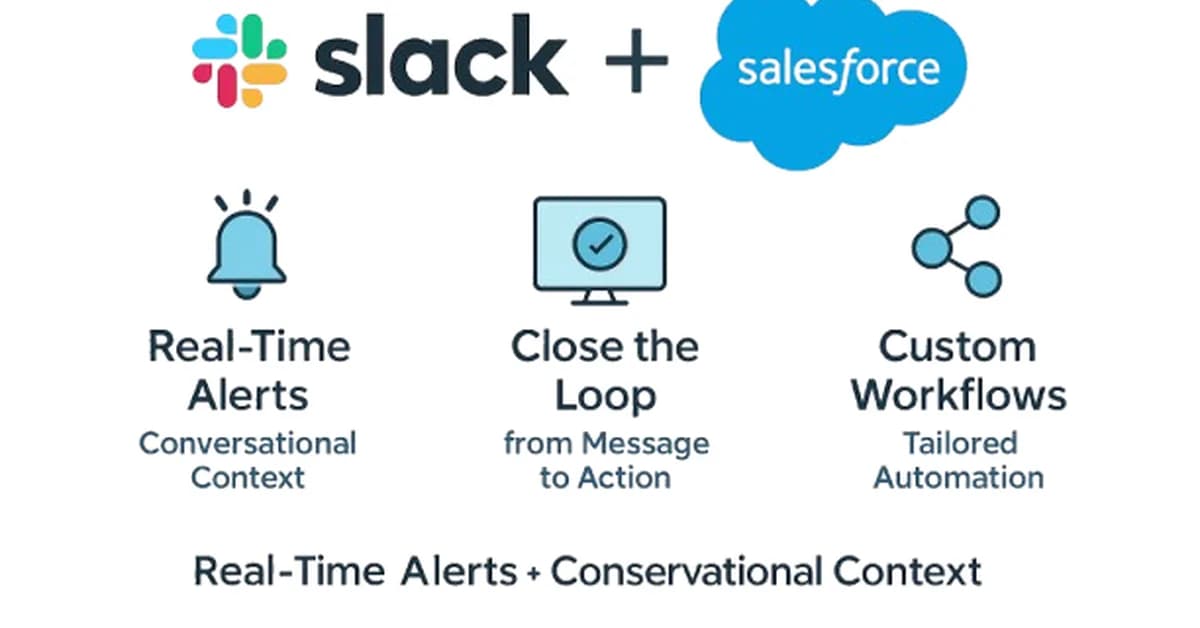
Based on the provided content, here's a summary of key points and best practices for designing alerts and interactions within Slack:
Alert Message Template
- Title: Concise description of the issue.
- Severity: Indicate the severity level (e.g., warn, critical).
- Context: Provide relevant details such as service name, environment, region, etc.
- Action Hint: Suggest a clear action for users to take.
- Links: Include links to more information or tools.
Example:
- Title: "Checkout error rate elevated"
- Severity: warn
- Context:
service=checkout env=prod region=us-east - Action hint: "Click Approve restart to trigger a safe restart"
Incoming Webhook Payload Example
An incoming webhook payload can include rich layouts using Block Kit:
json1{ 2 "text": "Checkout error rate elevated", 3 "blocks": [ 4 { 5 "type": "header", 6 "text": { 7 "type": "plain_text", 8 "text": "Checkout error rate elevated" 9 } 10 }, 11 { 12 "type": "section", 13 "fields": [ 14 { 15 "type": "mrkd 16 17[Read the full article at DEV Community](https://dev.to/rosgluk/slack-integration-patterns-for-alerts-and-workflows-1ij5) 18 19--- 20 21**Want to create content about this topic?** [Use Nemati AI tools](https://nemati.ai) to generate articles, social posts, and more.
2
Tags
Contents

Ali NematiWritten by Ali
![[AINews] The Unreasonable Effectiveness of Closing the Loop](/_next/image?url=https%3A%2F%2Fmedia.nemati.ai%2Fmedia%2Fblog%2Fimages%2Farticles%2F600e22851bc7453b.webp&w=3840&q=75)