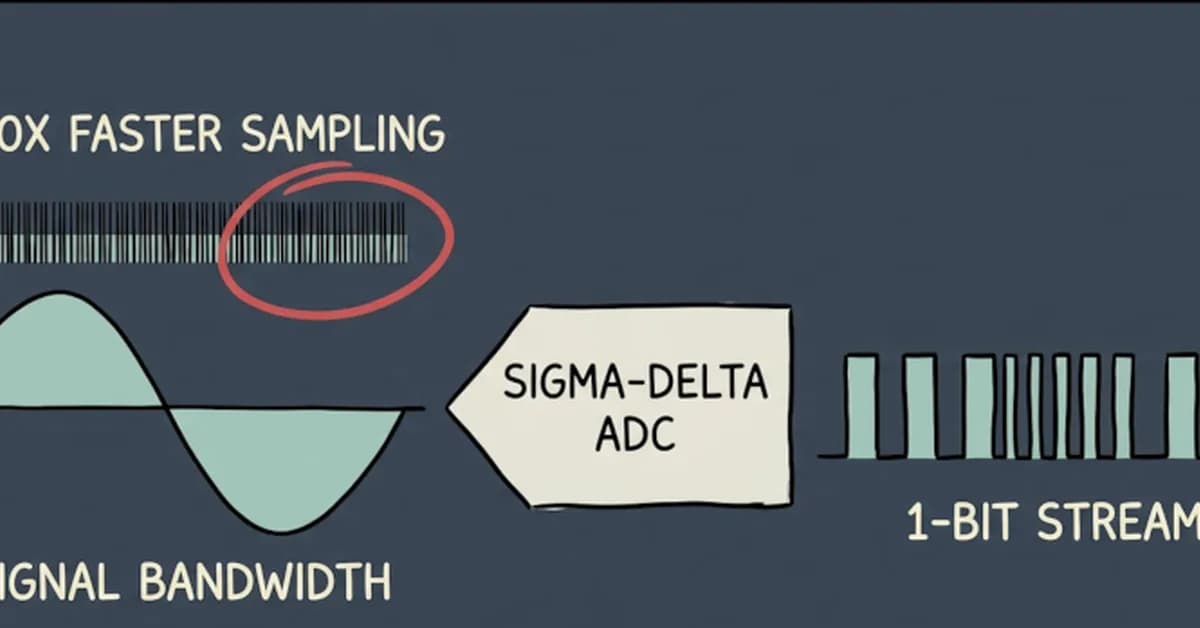
Modern hardware design utilizes a variety of analog-to-digital converter architectures, including flash ADCs for speed and successive approximation converters for efficient guessing, to translate real-world signals into binary data. Understanding these diverse architectures enables engineers to optimize hardware selection based on power constraints, precision requirements, and the specific limitations of integrated circuit fabrication. As precision ratios in photolithography improve, charge-based systems on chips are becoming more common than traditional component-heavy methods used on breadboards.
Read the full article at Hackaday
Want to create content about this topic? Use Nemati AI tools to generate articles, social posts, and more.
7
Tags

Ali NematiWritten by Ali