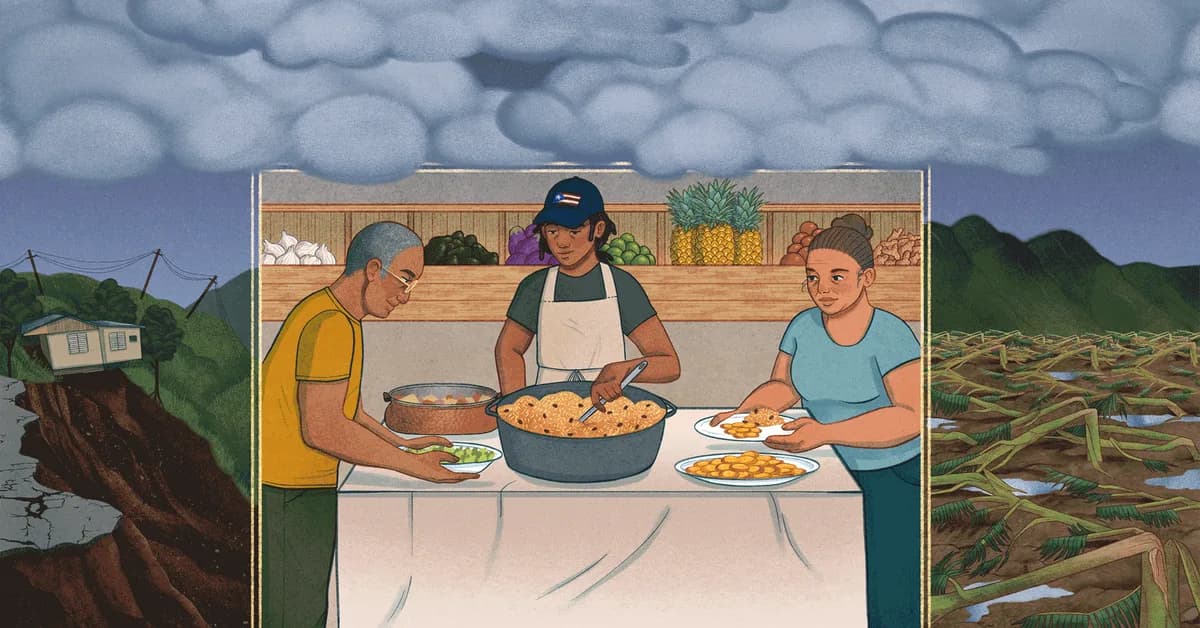
Pamela, a resident of Puerto Rico, had been eagerly waiting for the arrival of the distributed energy system funded by the federal government. She relied on electrical medical equipment that needed constant power to function properly. When Hurricane Fiona hit, Pamela's neighborhood experienced prolonged outages, but she was fortunate enough to have installed solar panels and batteries before the storm.
The lessons learned from Fiona prompted Congress to allocate $1 billion specifically for rooftop solar systems and battery storage for low-income Puerto Ricans like Pamela and those who needed electricity-dependent medical devices. The Energy Department under Jennifer Granholm's leadership began designing programs to distribute these funds efficiently, ensuring that vulnerable households had access to localized power.
However, when the Trump administration took office and replaced Granholm with a new Secretary appointed by President Biden, the program faced delays and changes in direction. Despite initial enthusiasm from lawmakers like Representative Raúl Grijalva, who championed the effort alongside Jenniffer González-Colón, the governor of Puerto Rico at the time, the implementation stalled.
Pamela's case highlights the importance of such initiatives. She had already experienced firsthand how solar and battery systems could keep her medical equipment running during outages. The federal funding was intended to help more residents like Pamela
Read the full article at Grist
Want to create content about this topic? Use Nemati AI tools to generate articles, social posts, and more.