The concept of Specification-First Agentic Development (SFAD) is an innovative approach to software development that leverages the capabilities of large language models (LLMs) like Claude or Anthropic's AI. This method aims to streamline and enhance the development process by integrating documentation, planning, decision-making, and execution into a cohesive workflow. Here’s a breakdown of the key aspects and benefits:
Key Components
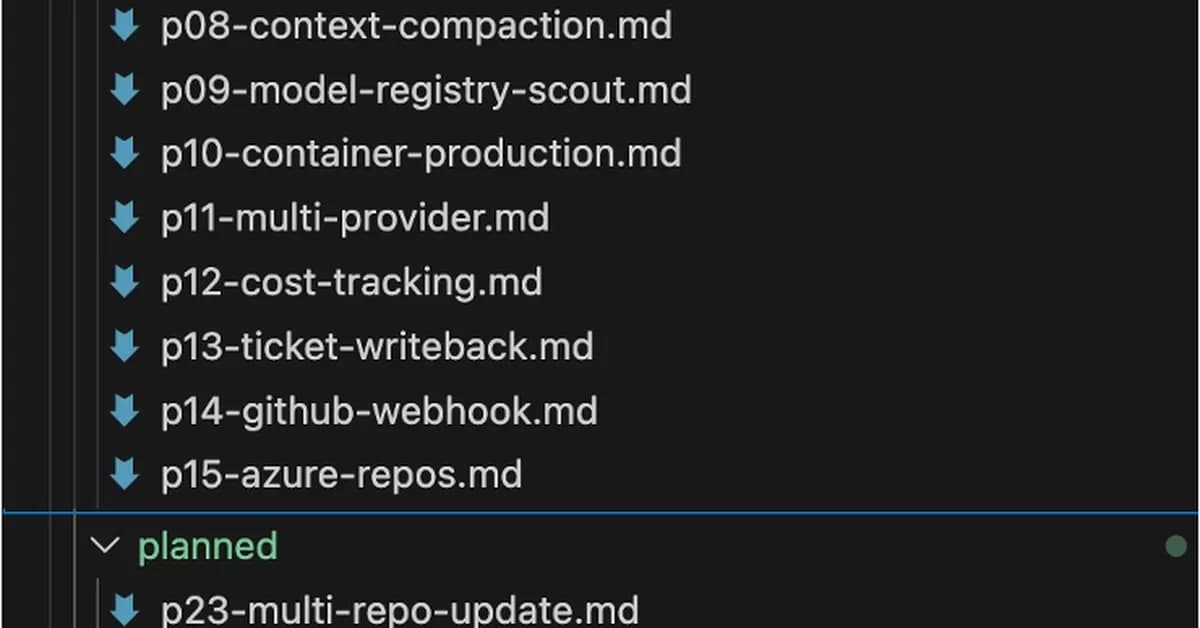
- Phases: Each feature, bug fix, idea, or decision is encapsulated in a phase file within the project's repository.
- Context File (context.yaml): A central document that summarizes all implemented features, decisions, and rationale. This helps Claude understand the current state of the project without needing to re-read extensive documentation.
- Decision Log: A log where every decision made during development is recorded along with alternatives considered and reasoning behind them.
- Parallelism: Multiple phases can be planned and tracked simultaneously, allowing for efficient multitasking.
Workflow
-
Planning Phase:
- Define the goal of each phase in a markdown file within the repository.
- Specify tasks, requirements, and expected outcomes clearly.
-
Execution Phase:
- Implement the plan
Read the full article at DEV Community
Want to create content about this topic? Use Nemati AI tools to generate articles, social posts, and more.
141
Contents

Ali NematiWritten by Ali