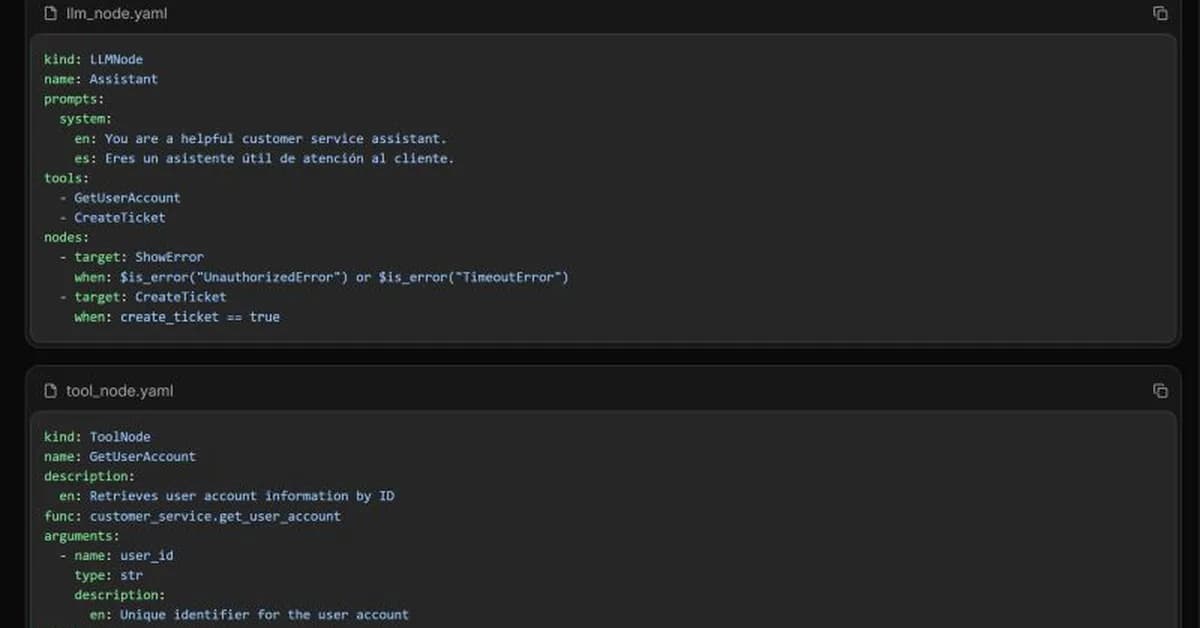
It sounds like you've encountered some interesting challenges and benefits while experimenting with "specsmaxxing" for AI agents. Here are a few key points to consider:
Benefits of Specsmaxxing
- Consistency in Naming and Architecture: By providing clear, structured specifications, you can ensure that the agent adheres to consistent naming conventions and architectural patterns.
- Reduced Review Time: The agent's adherence to your specified guidelines reduces the time you need to spend reviewing and correcting its work.
- Clarity of Intent: A well-defined spec helps prevent misunderstandings and ensures that the agent understands exactly what is expected.
Challenges and Pitfalls
-
Ambiguity in Specifications:
- Example Needed: "Typed errors, never throw strings" can be interpreted differently by different agents or even at different times. Providing concrete examples or limits (e.g., "up to 3 distinct error types") helps mitigate this.
-
Negative Constraints Are Harder to Audit:
- Verification Difficulty: It's easier for an agent to avoid introducing something than to ensure it doesn't exist in existing code. You need clear, verifiable rules and possibly automated checks.
-
**Stale
Read the full article at DEV Community
Want to create content about this topic? Use Nemati AI tools to generate articles, social posts, and more.
4
Contents

Ali NematiWritten by Ali
![[AINews] The Unreasonable Effectiveness of Closing the Loop](/_next/image?url=https%3A%2F%2Fmedia.nemati.ai%2Fmedia%2Fblog%2Fimages%2Farticles%2F600e22851bc7453b.webp&w=3840&q=75)