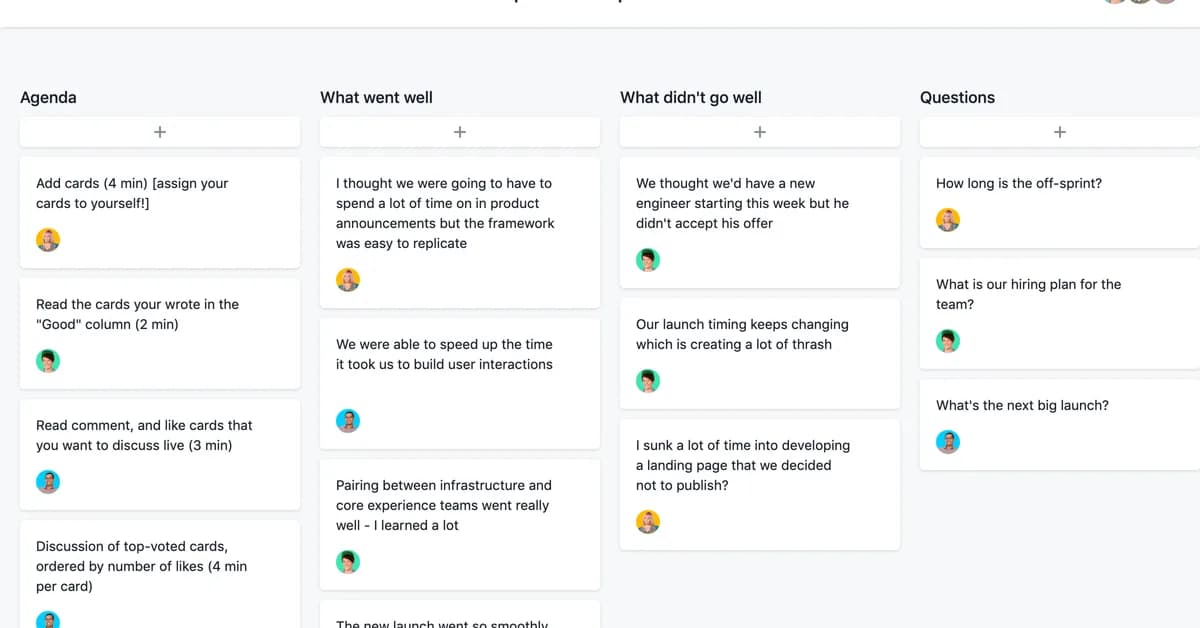
Summary of Sprint 7: Quality Gates and Human Experience
Sprint Overview:
- Objective: Validate the quality of the platform through integration tests and prepare for UI development.
- Key Activities:
- Wiring up 118 services and validating them with source inspection.
- Implementing HTTP integration tests to ensure correct runtime behavior.
- Escalating memory enforcement from advisory warnings to blocking gates.
- Preparing for the final sprint (Sprint 8) focused on UI development.
Key Achievements:
- Service Wiring: Successfully wired up all services and validated them through source inspection.
- Integration Tests: Implemented HTTP integration tests to ensure correct runtime behavior of services.
- Memory Enforcement: Escalated memory enforcement from advisory warnings to blocking gates for stricter compliance.
- UI Preparation: Prepared the groundwork for UI development by extracting route modules from a monolithic file.
Lessons Learned:
- Phased Execution Order Matters: Infrastructure tasks must be completed before integration tests can be run effectively.
- Right-Sizing Scope Preserves Quality: Reducing scope to match validated velocity prevents quality erosion.
- Source Inspection is Necessary but Not Sufficient: Source
Read the full article at DEV Community
Want to create content about this topic? Use Nemati AI tools to generate articles, social posts, and more.
27
Tags
Contents

Ali NematiWritten by Ali
![[AINews] The Unreasonable Effectiveness of Closing the Loop](/_next/image?url=https%3A%2F%2Fmedia.nemati.ai%2Fmedia%2Fblog%2Fimages%2Farticles%2F600e22851bc7453b.webp&w=3840&q=75)