The article "Stressing LLMs - Triage Stage" discusses the concept of using large language models (LLMs) in reverse engineering and malware analysis, particularly focusing on how to stress or challenge these models. The author, Alexander Hanel, explores two main approaches:
1. Scaling Interdependent Functions
The first approach involves creating binaries with highly interdependent functions that are difficult for LLMs to understand due to their complexity and interconnectedness. This method aims to force the model into inefficient processing paths by making it harder to disentangle and analyze these complex relationships.
Key Points:
- Complexity: The more complex and interdependent the functions, the harder it is for an LLM to provide accurate or useful analysis.
- Context Window Limitations: By pushing the complexity beyond the context window limits of the model, the effectiveness of the LLM in providing meaningful insights diminishes.
2. Inflating Token-Heavy Inputs
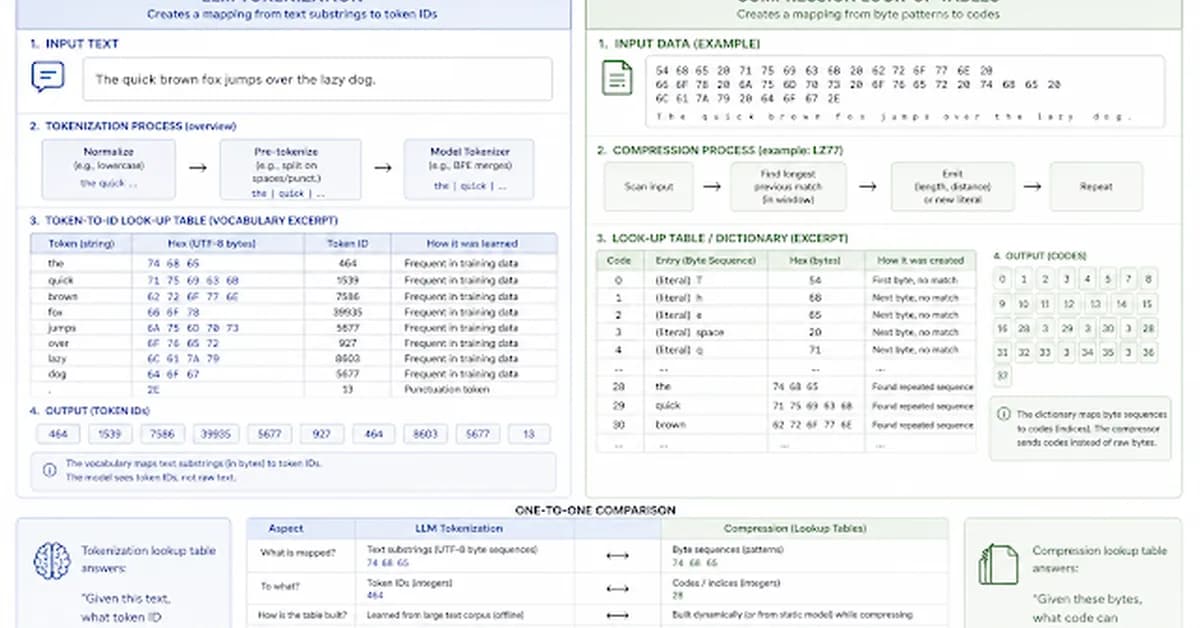
The second approach involves inflating token-heavy inputs through debug metadata (e.g., DWARF) to stress the context and attention limitations of the LLMs. This method aims to increase the cost of processing by creating a large corpus of highly similar strings within a
Read the full article at Malware Analysis, News and Indicators - Latest topics
Want to create content about this topic? Use Nemati AI tools to generate articles, social posts, and more.

![[AINews] The Unreasonable Effectiveness of Closing the Loop](/_next/image?url=https%3A%2F%2Fmedia.nemati.ai%2Fmedia%2Fblog%2Fimages%2Farticles%2F600e22851bc7453b.webp&w=3840&q=75)