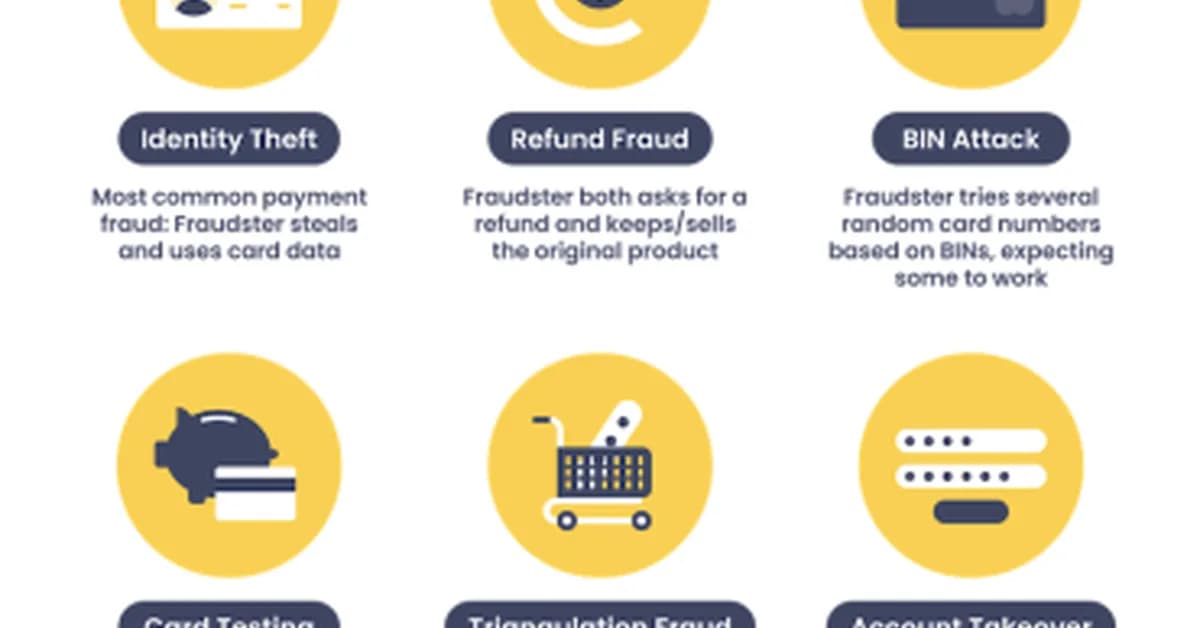
Payment fraud is a growing concern across various industries, particularly for e-commerce businesses, healthcare providers, banks, and other data-sensitive sectors. These entities face heightened risks due to the sensitive nature of the information they handle and the multiple payment methods they accept.
To mitigate these risks, businesses should implement foundational security controls such as strong network and password security policies, encryption of customer data through tokenization, compliance with Payment Card Industry (PCI) standards, and utilization of 3D Secure (3DS) authentication protocols. Additionally, conducting a security risk assessment helps identify critical vulnerabilities that need immediate attention.
Advanced fraud detection tools can further enhance protection by monitoring unusual spending patterns or refund activities in mobile transactions, educating customers about phishing tactics, and training staff to recognize social engineering scams like gift card fraud and merchant identity theft.
By establishing these robust security measures, businesses can significantly reduce their exposure to payment fraud and protect both themselves and their customers from financial losses.
Read the full article at Malware Analysis, News and Indicators - Latest topics
Want to create content about this topic? Use Nemati AI tools to generate articles, social posts, and more.

![[AINews] The Unreasonable Effectiveness of Closing the Loop](/_next/image?url=https%3A%2F%2Fmedia.nemati.ai%2Fmedia%2Fblog%2Fimages%2Farticles%2F600e22851bc7453b.webp&w=3840&q=75)