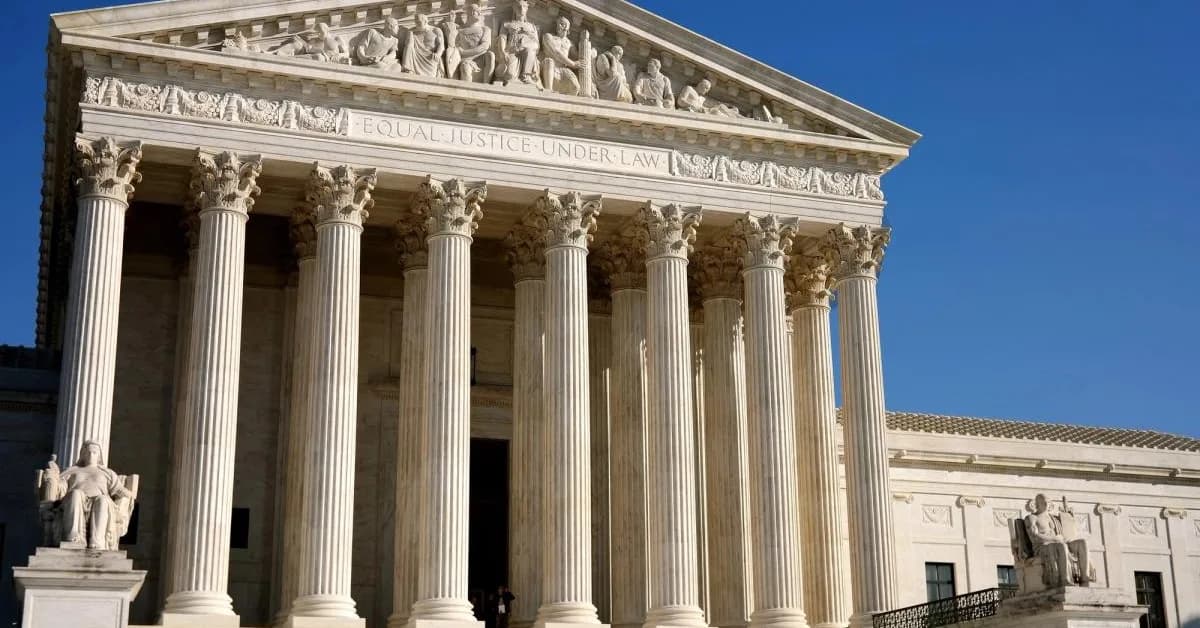
The article discusses the ongoing debate and legal challenges surrounding the Supreme Court's 1990 decision in Employment Division v. Smith (commonly referred to as Smith), which established that neutral laws of general applicability do not violate the Free Exercise Clause of the First Amendment, even if they incidentally burden religious practices.
Key Points:
-
Background and Impact of Smith:
- In City of Boerne v. Flores (1997), the Supreme Court ruled that the federal Religious Freedom Restoration Act (RFRA) did not apply to state actions, meaning that free exercise lawsuits over state laws would proceed under the Smith standard.
- Over time, the court has expanded the reach of the Free Exercise Clause and limited the impact of Smith, particularly through cases like Tandon v. Newsom (2021) and Fulton v. City of Philadelphia (2021).
-
Recent Developments:
- In Tandon v. Newsom, the court adopted a "most-favored-nation" approach, which means that if secular activities are treated more favorably than religious ones under state regulations, those
Read the full article at SCOTUSblog
Want to create content about this topic? Use Nemati AI tools to generate articles, social posts, and more.
Views183
On this page
Ali NematiBlogUI.author_articles