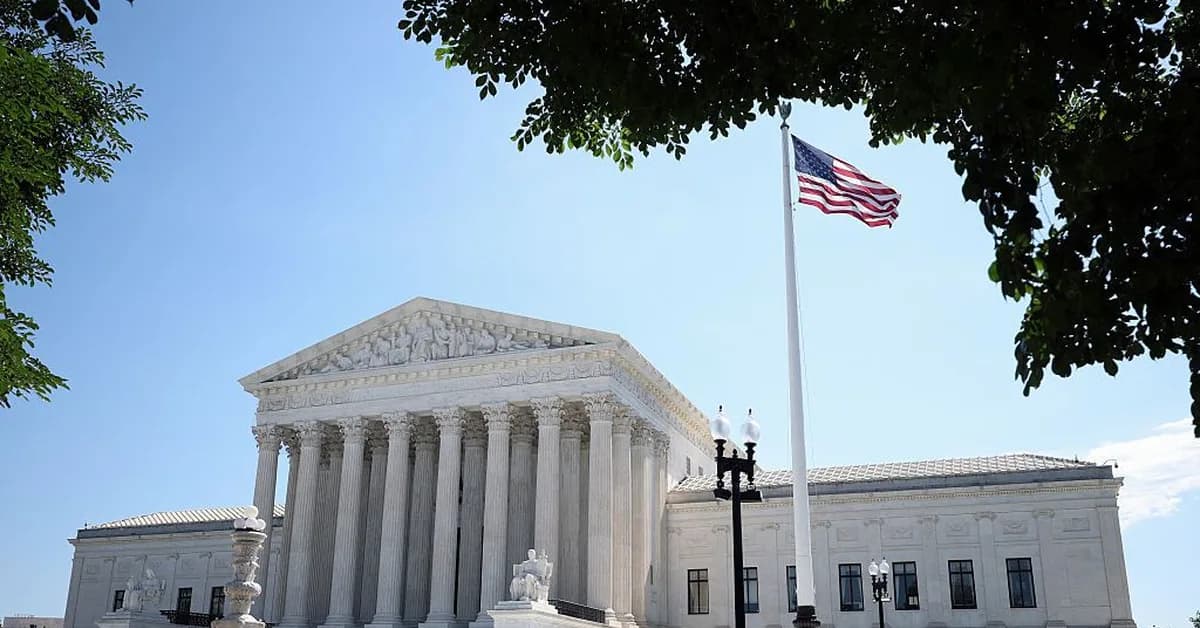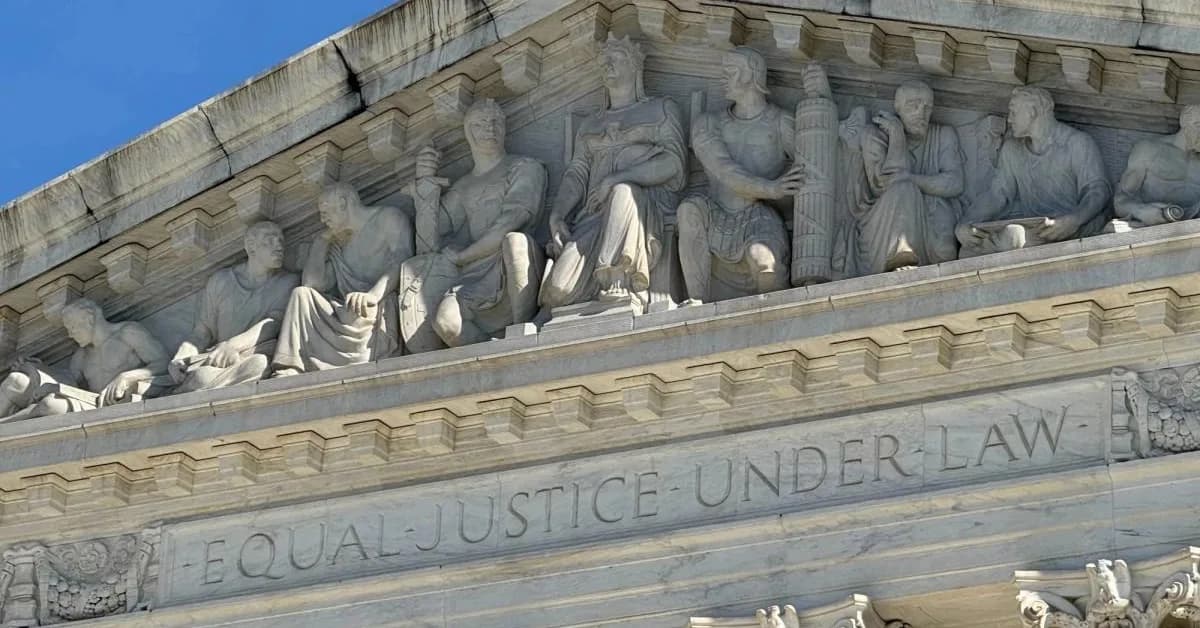
The analysis provided highlights several critical points about the Supreme Court's decision in Callaway v. Jones (referred to as Callais), particularly concerning the interpretation and application of Section 2 of the Voting Rights Act (VRA). Here are some key takeaways:
Misinterpretation of Section 2
- Results Test vs. Intent: The court's opinion in Callaway v. Jones fundamentally misinterprets the purpose of Section 2, which was amended in 1982 to focus on results-based discrimination rather than just intentional discrimination. By emphasizing nonracial factors and requiring plaintiffs to show that a state’s map is inferior to an alternative one, the court effectively eviscerates the statute's ability to address minority vote dilution.
Constitutional Law Issues
-
Constitutional Avoidance: The court invokes the principle of constitutional avoidance to justify its interpretation but does so in a way that rewrites the statute rather than interpreting it as written. This approach is problematic because it undermines Congress’s intent and authority.
-
15th Amendment vs. Article I, Section 4: The opinion incorrectly suggests that Congress lacks the power under the 15th Amendment to
Read the full article at SCOTUSblog
Want to create content about this topic? Use Nemati AI tools to generate articles, social posts, and more.