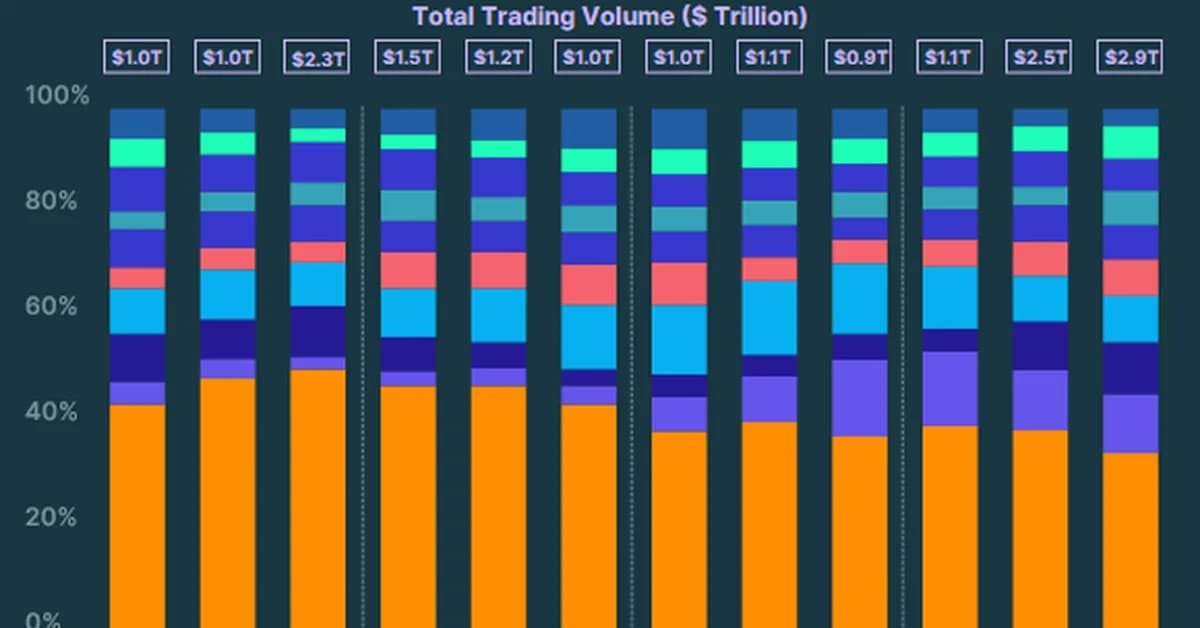
The story you've shared highlights the importance of rigorous testing and validation when integrating data across multiple sources, especially in a domain like cryptocurrency derivatives trading where data accuracy is crucial for making informed decisions. Here's a summary of key takeaways from your experience:
Key Takeaways
-
Unit Semantics Testing:
- Ensure that integration tests not only check the basic functionality but also validate the unit semantics of the data. For example, if an API returns volume in a specific currency or as a raw number, make sure to test how this is converted into USD correctly.
-
Cross-Exchange Validation:
- Implement post-deployment checks that compare data across different exchanges for consistency and sanity. This can help catch outliers early on.
-
Sanity Checks:
- Use simple sanity checks like comparing the volume of BTC across exchanges to ensure no single exchange is anomalously high or low.
-
Documentation and Semantics:
- Pay close attention to how different exchanges document their APIs, especially regarding units and data semantics. Inconsistent documentation can lead to subtle bugs that are hard to catch without thorough testing.
-
Regression Tests:
- Add regression tests that cover the unit conversions and
Read the full article at DEV Community
Want to create content about this topic? Use Nemati AI tools to generate articles, social posts, and more.
2
Contents

Ali NematiWritten by Ali
![[AINews] The Unreasonable Effectiveness of Closing the Loop](/_next/image?url=https%3A%2F%2Fmedia.nemati.ai%2Fmedia%2Fblog%2Fimages%2Farticles%2F600e22851bc7453b.webp&w=3840&q=75)