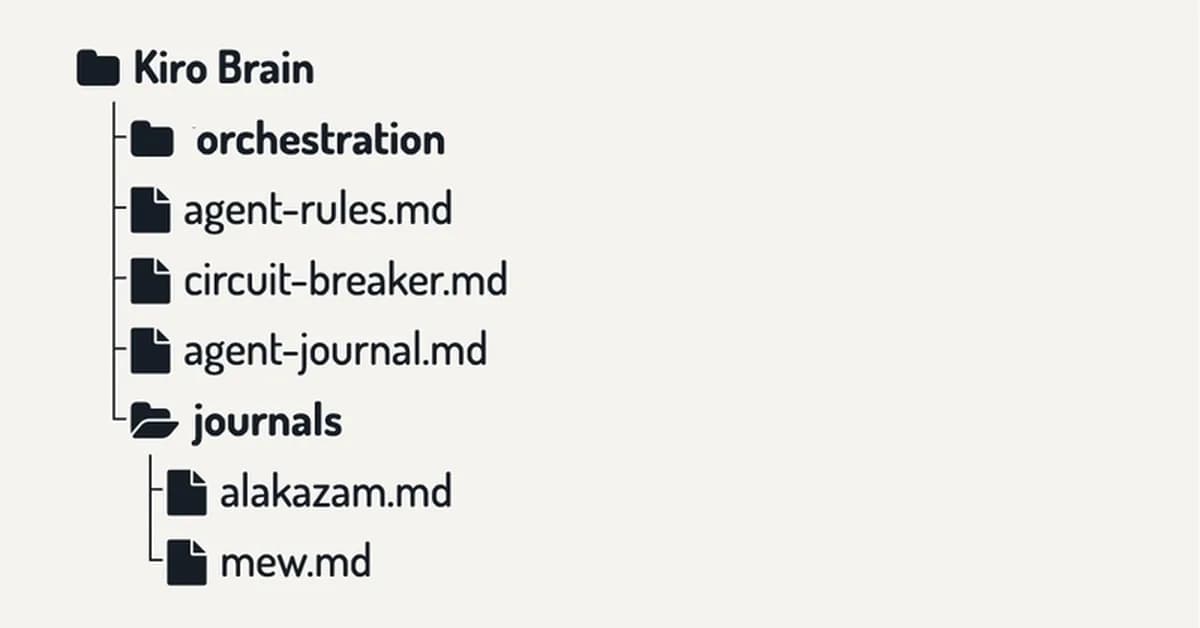
Your approach to creating a structured and reliable system for handling complex requests using multiple agents is quite thorough and well-thought-out. Here are some key takeaways and suggestions based on your implementation:
Key Components
-
Journal System: This is crucial for maintaining context across multi-step tasks. It ensures that each agent has access to previous steps, which is essential for coherent and accurate responses.
-
Orchestrator (Metagross): The orchestrator's role in routing requests based on input complexity and type is well-defined. Ensuring it correctly identifies the appropriate agent or surface existing work when necessary is vital for efficiency and accuracy.
-
Agent-Specific Tasks: Each agent has a specific purpose, such as generating content, verifying claims, or providing meeting briefings. This specialization helps in maintaining quality and consistency across different types of tasks.
-
Testing Harness (Promptfoo): The use of Promptfoo to test both routing and structure ensures that the system works correctly under various conditions. The feedback from the judge is particularly useful for refining rubrics and improving agent performance.
Recommendations
- Enhance Context Management: While the journal system is a good start, consider implementing more sophisticated context management features such
Read the full article at DEV Community
Want to create content about this topic? Use Nemati AI tools to generate articles, social posts, and more.

![[AINews] The Unreasonable Effectiveness of Closing the Loop](/_next/image?url=https%3A%2F%2Fmedia.nemati.ai%2Fmedia%2Fblog%2Fimages%2Farticles%2F600e22851bc7453b.webp&w=3840&q=75)