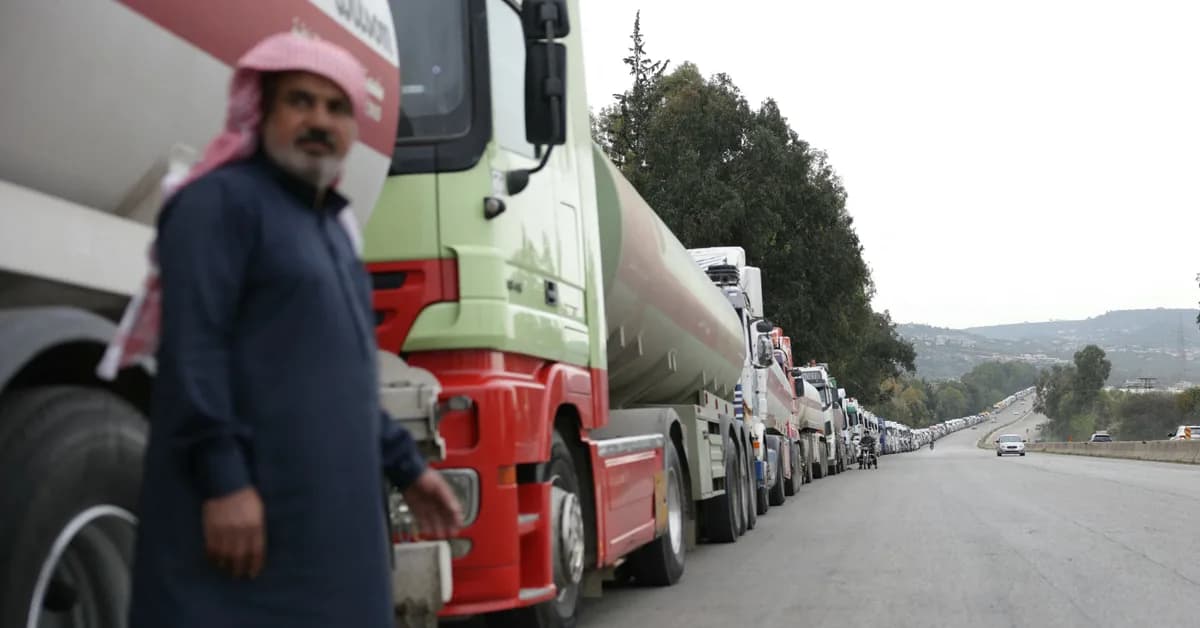
The Iran War has significantly altered global energy dynamics, with far-reaching implications for fossil fuels and renewable energy sources.
Fossil Fuels:
-
Oil: The crisis is accelerating the shift towards electric vehicles (EVs) and hybrids, which are already outperforming gas cars in many European and Asian markets. Sales of EVs surged by over 50% in France and Germany during the first month of the war.
-
Natural Gas (LNG): Countries like South Korea and Italy have ramped up coal capacity to compensate for lost LNG imports, potentially prolonging coal's lifespan as a major energy source.
Renewables:
-
Solar: Solar farms are seeing unprecedented growth. Chinese exports of solar panels, batteries, and EVs hit record highs in March, with significant increases observed across Africa and Asia. European demand for rooftop solar is also surging due to rising electricity bills.
-
Wind: While wind turbine manufacturers like Nordex have seen increased demand, the blockades at the Strait of Hormuz are causing delays in the delivery of critical components such as foundations and substations, potentially hindering growth.
Key Developments:
- South Korea plans to deploy 100 gig
Read the full article at Grist
Want to create content about this topic? Use Nemati AI tools to generate articles, social posts, and more.