A Closer Look: Broadnax v. Texas
Background and Context
In recent years, the use of rap lyrics as evidence in criminal trials has sparked significant debate within legal circles. This issue gained public attention when a federal judge dismissed Drake's lawsuit against Kendrick Lamar over their high-profile rap battle. The judge emphasized that diss tracks are intentionally "heated," "loaded," and contain "violent imagery" and should be treated as nonactionable opinion.
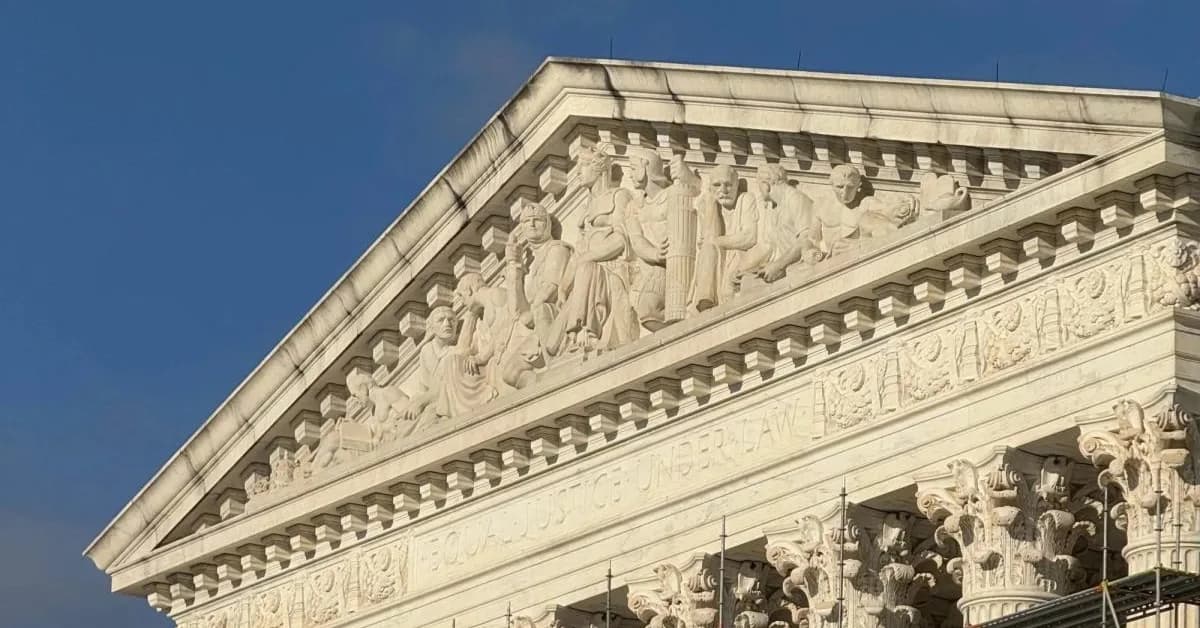
This debate is now before the Supreme Court in the case of Broadnax v. Texas, involving James Garfield Broadnax, a death row inmate convicted for the murders of music producers Stephen Swan and Matthew Butler.
The Case
During Broadnax's trial, prosecutors introduced over 40 pages of his handwritten rap lyrics to the predominantly white jury during the sentencing phase. They argued that these lyrics demonstrated his propensity toward violence. In his petition for review, Broadnax contends that these lyrics are racially inflammatory and prejudicial evidence, exploiting racial stereotypes associated with rap music and the Black community.
Broadnax argues that the introduction of these lyrics rendered his sentencing fundamentally unfair and asks the Supreme Court to take up his case on this basis.
Amicus Briefs
Read the full article at SCOTUSblog
Want to create content about this topic? Use Nemati AI tools to generate articles, social posts, and more.