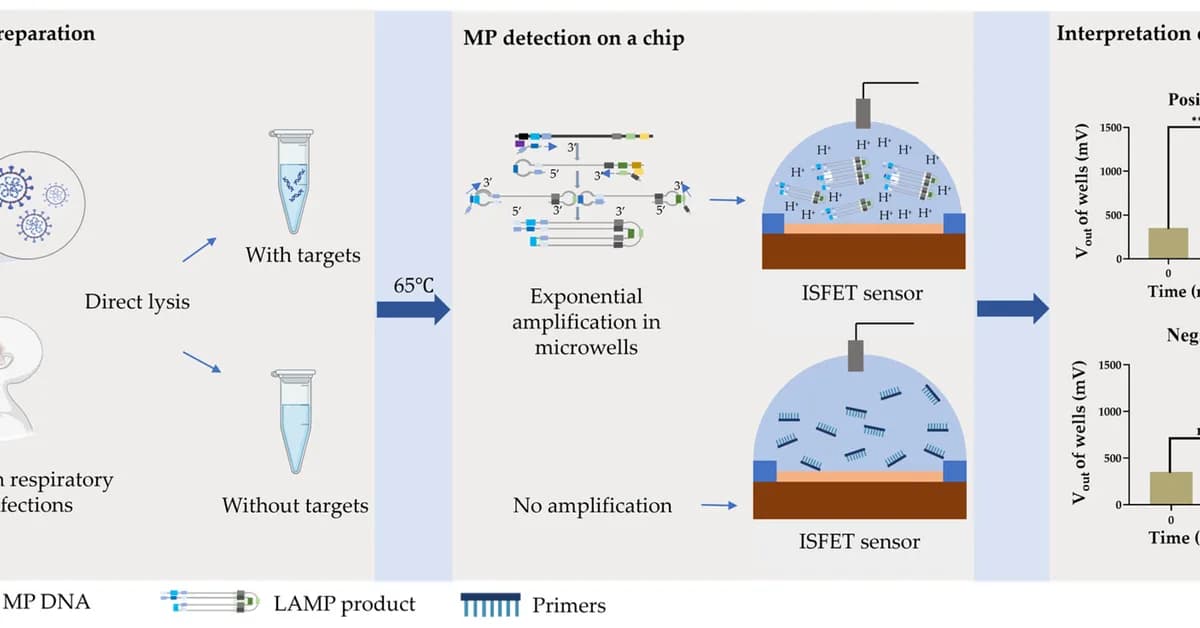
A new nucleic acid amplification technique (NAAT) has been developed by Chinese researchers to rapidly and comprehensively detect Mycoplasma contamination in biopharmaceutical products. This optimized assay significantly reduces testing time from 28 days to a few hours, enabling same-day batch release and accelerating product deployment for sensitive therapeutics. By targeting conserved regions of Mollicutes, it covers a wide range of species, offering single-copy detection sensitivity and high repeatability compatible with existing qPCR platforms.
Read the full article at Genetic Engineering News
Want to create content about this topic? Use Nemati AI tools to generate articles, social posts, and more.
Views177
Tags

Ali NematiBlogUI.author_articles