mistakes or have suggestions for improvement, feel free to reach out.
To summarize the key points:
-
URL Parameters:
- Used to identify specific resources.
- Part of the path (e.g.,
/users/:userId). - Required and unique per resource.
- Accessed via
req.params.
-
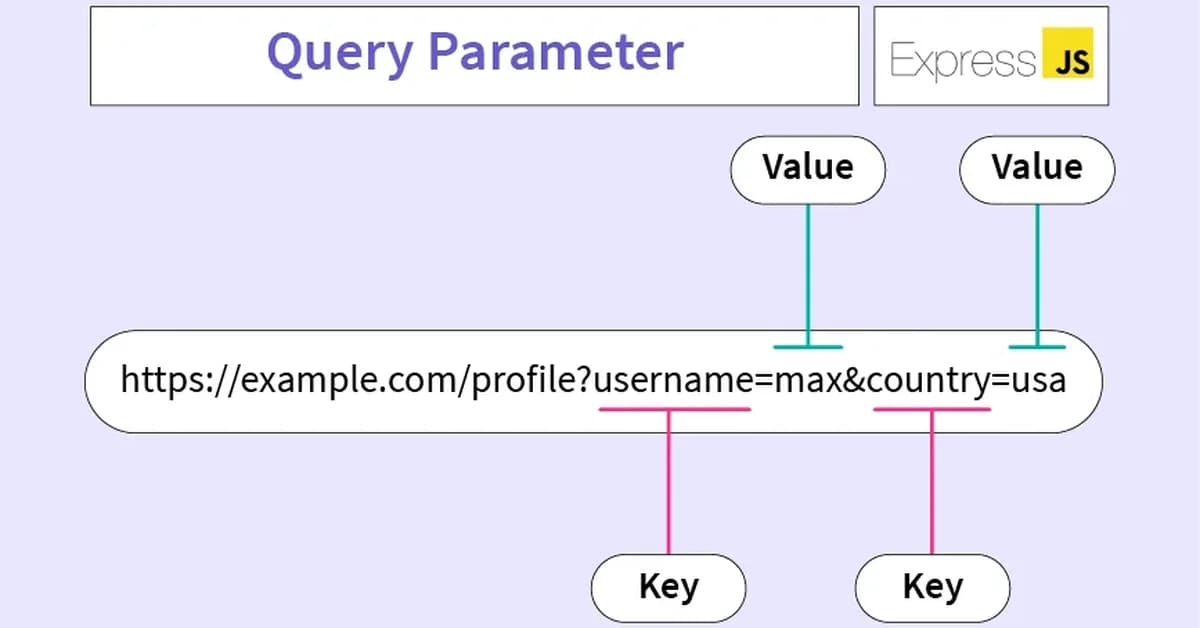
Query Strings:
- Used for optional data or filters.
- Appear after a question mark in the URL (e.g.,
?key=value). - Optional and can be added to any path.
- Accessed via
req.query.
-
Express.js Handling:
- Express routes match based on the path, ignoring query strings.
- Query strings are flexible and don't affect route matching.
-
Best Practices:
- Use parameters for resource identifiers that make a URL incomplete without them.
- Use query strings for optional or descriptive data like filters, pagination, etc.
By understanding these distinctions, you can design more intuitive and predictable REST APIs in your applications using Express.js.
Read the full article at DEV Community
Want to create content about this topic? Use Nemati AI tools to generate articles, social posts, and more.
2
Tags

Ali NematiWritten by Ali
![[AINews] The Unreasonable Effectiveness of Closing the Loop](/_next/image?url=https%3A%2F%2Fmedia.nemati.ai%2Fmedia%2Fblog%2Fimages%2Farticles%2F600e22851bc7453b.webp&w=3840&q=75)