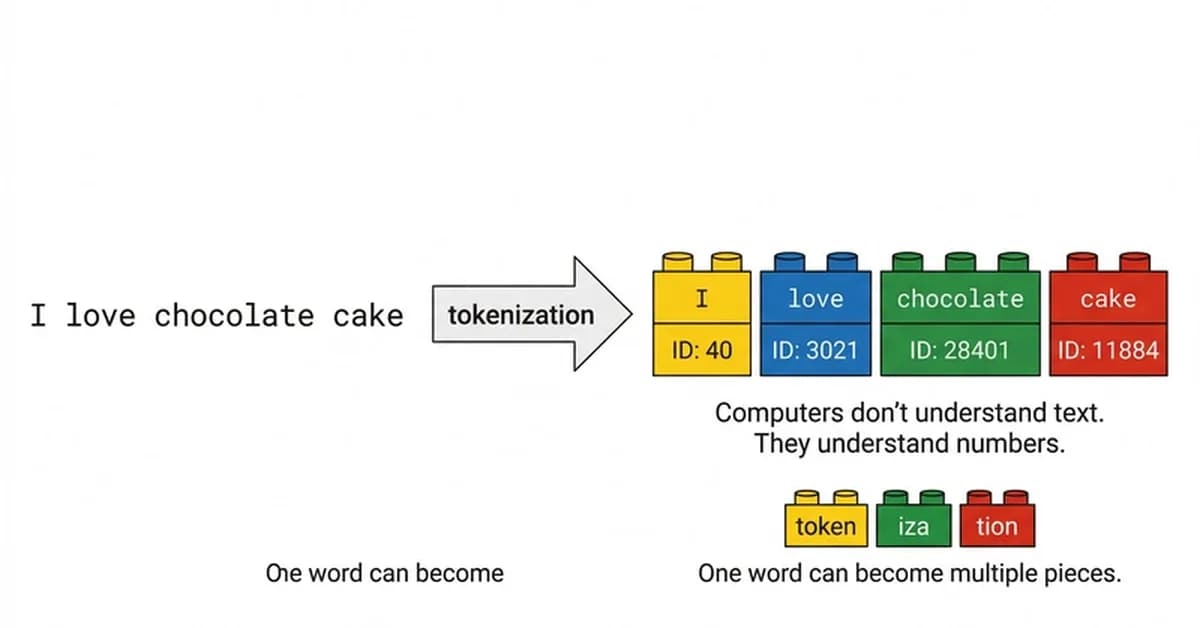
The provided code and explanation illustrate the concept of Automated Prompt Optimization (APO) in the context of natural language processing models, particularly focusing on sentiment analysis tasks. The goal is to optimize prompt templates used for model inputs to ensure high performance by closely aligning with the original training format (SFT template). Here's a breakdown of key components:
Key Concepts
-
Token Overlap and Out-of-Distribution Risk:
- Token overlap measures how similar a given prompt template is to the original SFT template used during model training.
- Lower token overlap indicates higher out-of-distribution (OOD) risk, which can lead to decreased model performance.
-
Automated Prompt Optimization (APO):
- APO involves testing multiple prompt templates on a validation set and selecting the one that maximizes simulated accuracy while penalizing OOD prompts.
- Simulated accuracy is derived from base accuracy adjusted by an OOD penalty based on token overlap.
Code Breakdown
Token Overlap Calculation
python1def simulate_model_output(prompt_template, review, label, ood_penalty): 2 tokens_template = set(tokenize_prompt(prompt_template.format(review=""))) 3 tokens_sft = set(tokenize_prompt(sft_template.format 4 5[Read the full article at MarkTechPost](https://www.marktechpost.com/2026/05/03/what-is-tokenization-drift-and-how-to-fix-it/) 6 7--- 8 9**Want to create content about this topic?** [Use Nemati AI tools](https://nemati.ai) to generate articles, social posts, and more.
Views255
Tags
On this page

Ali NematiBlogUI.author_articles