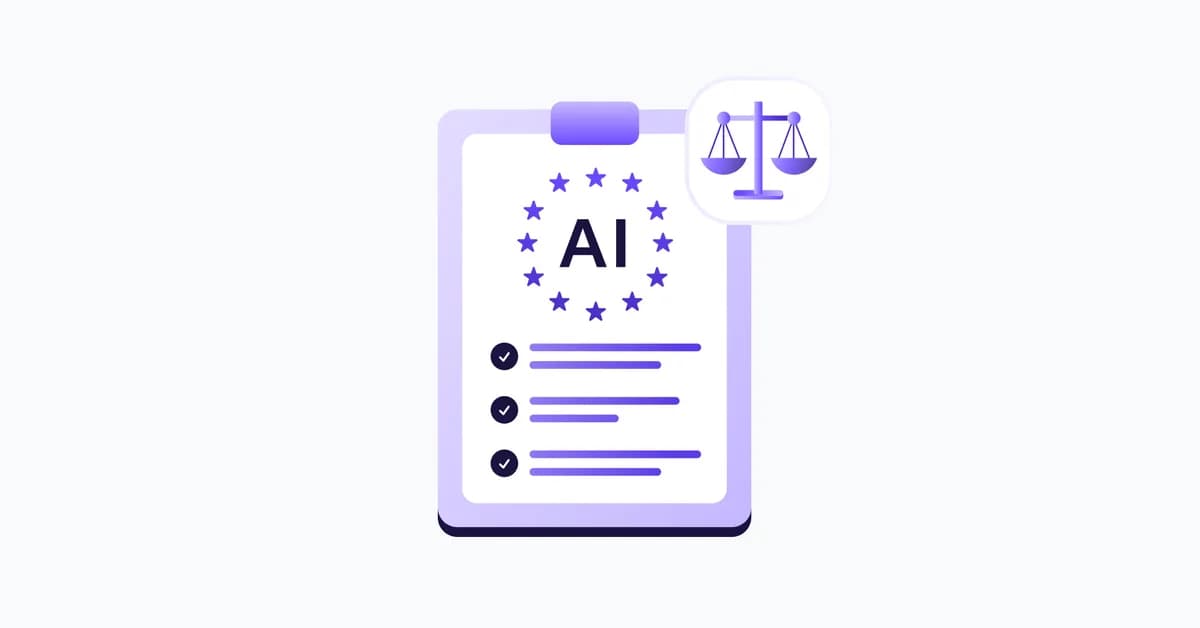
The EU Artificial Intelligence (AI) Act, which became fully enforceable in 2026, introduced a comprehensive regulatory framework to ensure that AI technologies are used responsibly and ethically across Europe. The act categorizes AI systems into different risk levels—minimal-risk, low-risk, and high-risk—and imposes varying degrees of regulation based on these categories.
Minimal-Risk AI
These are AI systems with negligible risks to individuals or society. They include chatbots, virtual personal assistants, and recommendation engines like those used by streaming services for movie suggestions. The EU AI Act does not impose specific regulatory requirements for minimal-risk AI but encourages transparency and ethical guidelines.
Low-Risk AI
Low-risk AI systems pose limited risks and are subject to general transparency obligations. Providers must ensure that these systems do not cause harm, provide clear information about their capabilities and limitations, and adhere to data protection laws like the GDPR. Examples include spam filters, weather prediction models, and some types of content moderation tools.
Prohibited AI
The EU AI Act bans certain high-risk uses of AI outright due to severe potential harms:
- Social scoring: Systems that evaluate individuals based on their behavior or characteristics.
- Manipulative techniques: AI designed to exploit human
Read the full article at The Proton Blog
Want to create content about this topic? Use Nemati AI tools to generate articles, social posts, and more.