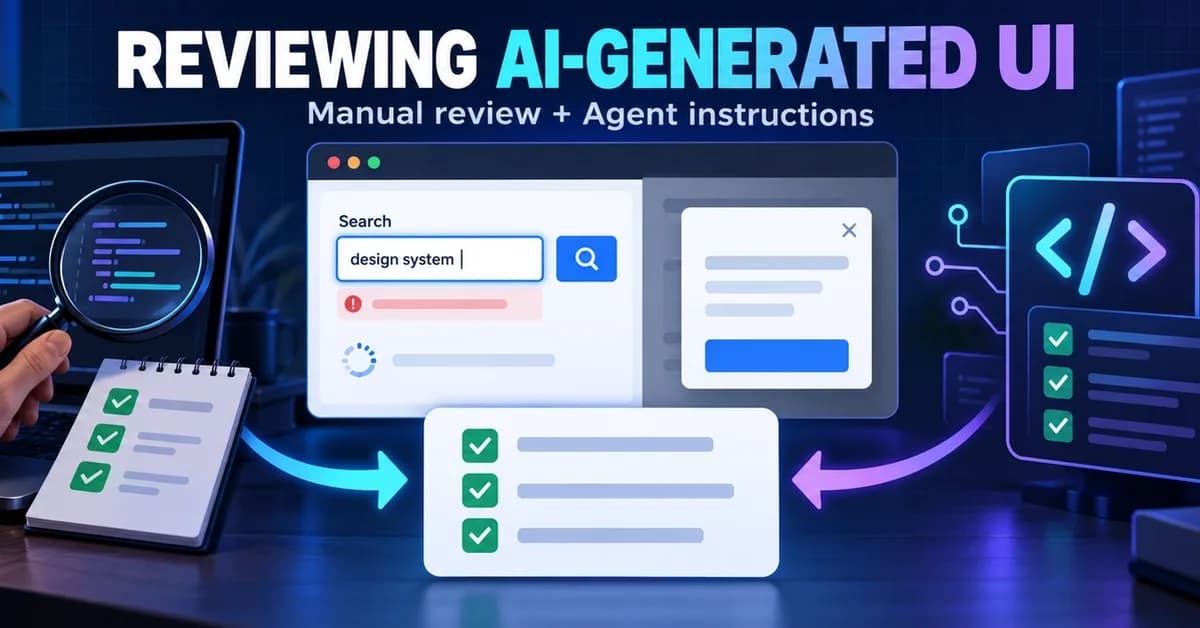
The provided checklist and guidelines are excellent resources for ensuring that web applications are accessible to users with disabilities. Here's a summary of key points along with some additional tips:
Key Points
-
Connected Labels and Unique IDs:
- Ensure every form control has an associated label using
htmlFororuseId. - Generated IDs should remain unique when components repeat.
- Ensure every form control has an associated label using
-
Accessible Names for Icon-Only Controls:
- Use
aria-labelto provide accessible names for icon-only controls. - Include visual tooltips (e.g.,
<title>attribute) for better user experience.
- Use
-
Explicit Button Types:
- Buttons should have explicit types (
type="button"ortype="submit").
- Buttons should have explicit types (
-
Native Semantic Elements:
- Use native HTML elements like
<button>,<a>, and<input>instead of generic<div>or<span>.
- Use native HTML elements like
-
Keyboard and Focus Handling:
- Ensure keyboard navigation works smoothly with visible focus indicators.
- Use
:focus-visiblefor better accessibility.
-
Programmatically Connected Validation Errors:
- Use
aria-invalidto flag invalid fields. - Use `
- Use
Read the full article at DEV Community
Want to create content about this topic? Use Nemati AI tools to generate articles, social posts, and more.
Views27
Tags
On this page

Ali NematiBlogUI.author_articles