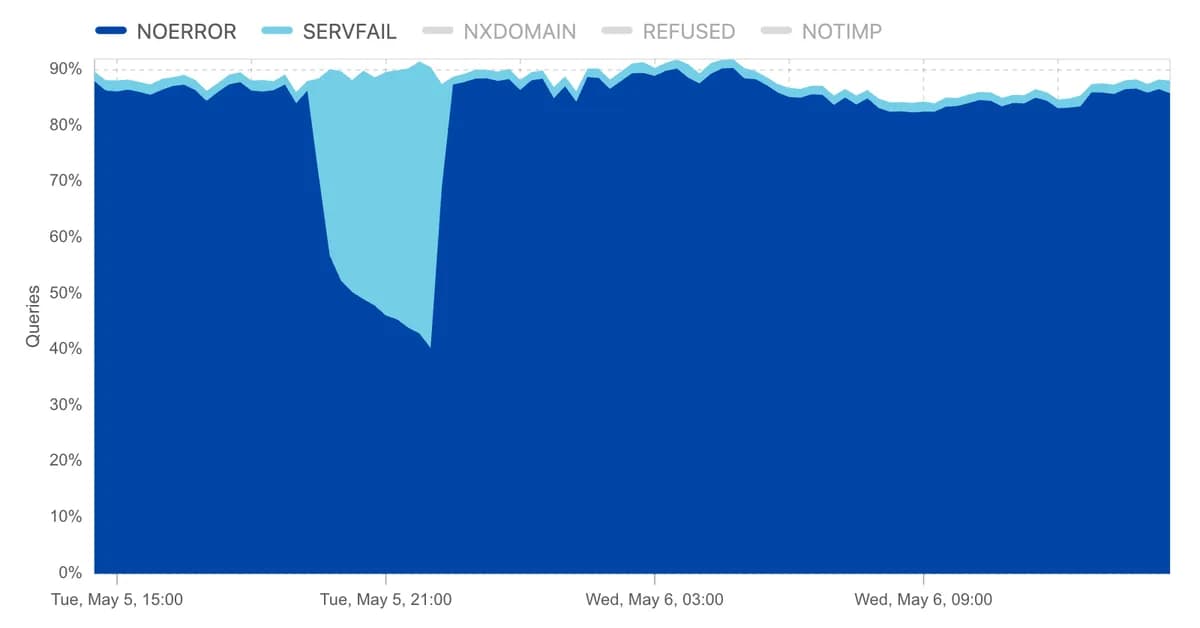
This incident involving the .de TLD highlights several important aspects of DNS and DNSSEC:
-
Dependence on TLDs: The hierarchical nature of DNS means that issues at the top level (TLD) can have a cascading effect, impacting all domains under it. This is true regardless of whether DNSSEC is in use or not.
-
Role of DNSSEC: While DNSSEC adds an extra layer of security by ensuring the authenticity and integrity of DNS responses, it also means that misconfigurations at the TLD level can lead to widespread failures if validation fails. In this case, the
.deregistry's routine key rollover process introduced non-validatable signatures. -
Community Response: The incident underscores the importance of community coordination in resolving issues quickly. Resolver operators independently applied Negative Trust Anchors (NTAs) to bypass DNSSEC validation for
.de, restoring resolution while the issue was being fixed. This highlights the value of forums like DNS-OARC where operators can communicate and coordinate. -
Negative Trust Anchors (NTAs): NTAs serve as a critical tool during incidents like this, allowing resolvers to treat specific zones as unsigned temporarily. While they provide a workaround, they
Read the full article at The Cloudflare Blog
Want to create content about this topic? Use Nemati AI tools to generate articles, social posts, and more.

![[AINews] The Unreasonable Effectiveness of Closing the Loop](/_next/image?url=https%3A%2F%2Fmedia.nemati.ai%2Fmedia%2Fblog%2Fimages%2Farticles%2F600e22851bc7453b.webp&w=3840&q=75)