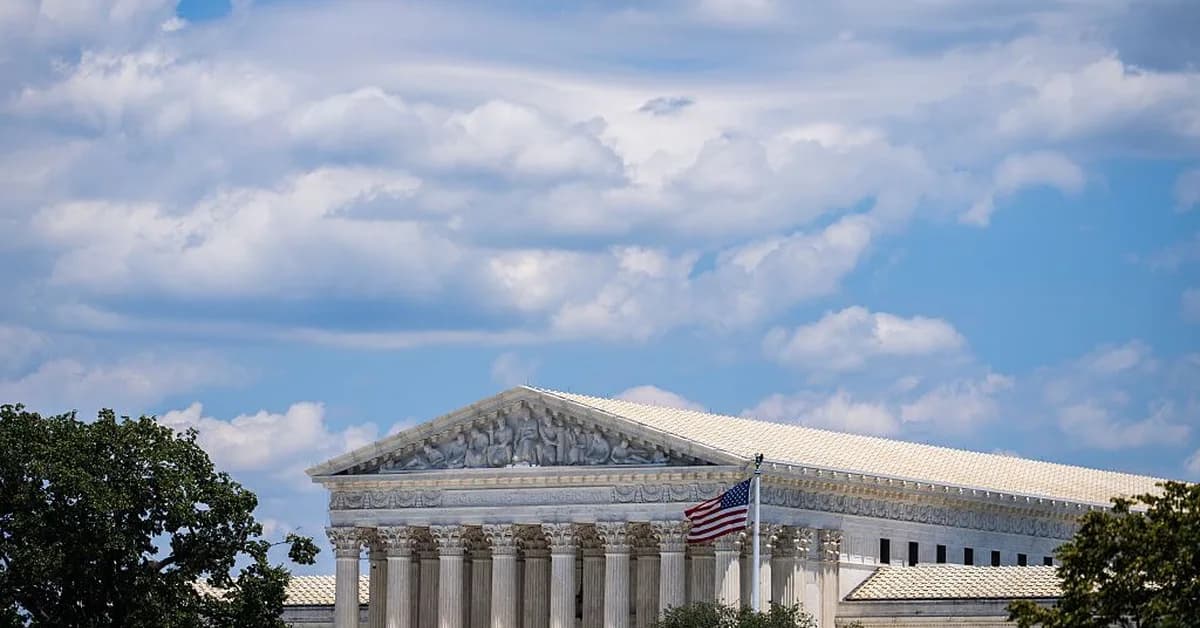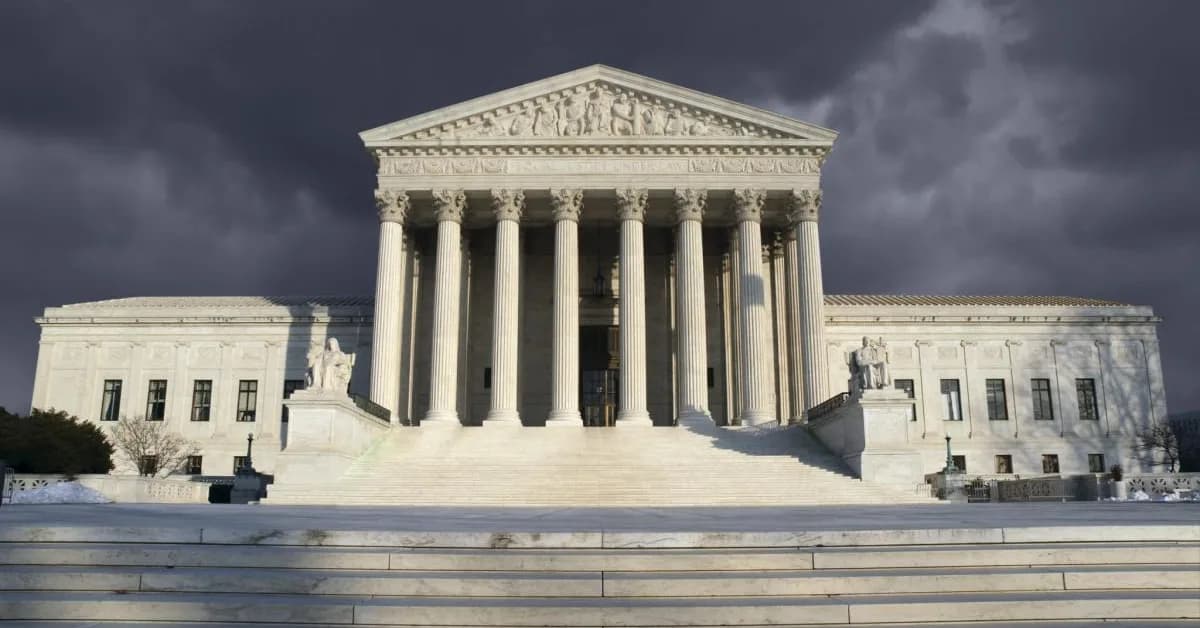
The current moment on the Supreme Court stands out from past episodes of intra-court tension due to several factors:
-
Frequency and Concentration: The recent tensions are not isolated incidents but a series of disagreements that have been accumulating over time. This concentration has created an environment where conflicts seem more pervasive.
-
Public Visibility: With advancements in technology and media, the public is now privy to more details about the Court's internal dynamics than ever before. Leaks, interviews, and social media play significant roles in making these tensions visible to a broader audience.
-
Interim Docket Dynamics: The interim docket, which refers to emergency applications and urgent matters that require immediate attention, has been heavily utilized by the current Court. This has led to several contentious decisions being made with limited time for deliberation, often resulting in sharp disagreements among justices.
-
Political Polarization: The broader political climate is highly polarized, and this polarization has seeped into the judiciary. Justices are increasingly seen as representatives of specific ideologies or political affiliations, which can exacerbate tensions both within the Court and between the public and the judiciary.
-
Personal Relationships: Personal relationships among justices have historically played a crucial role in managing
Read the full article at SCOTUSblog
Want to create content about this topic? Use Nemati AI tools to generate articles, social posts, and more.