The Case of Robert Nelson and NASA's Informational Privacy
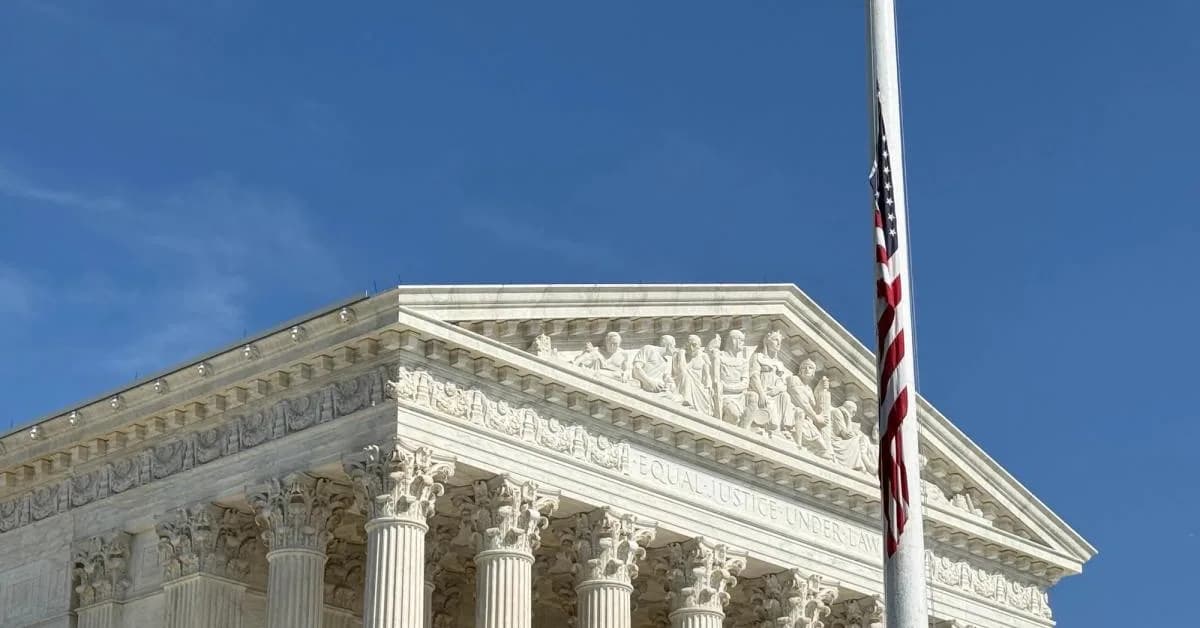
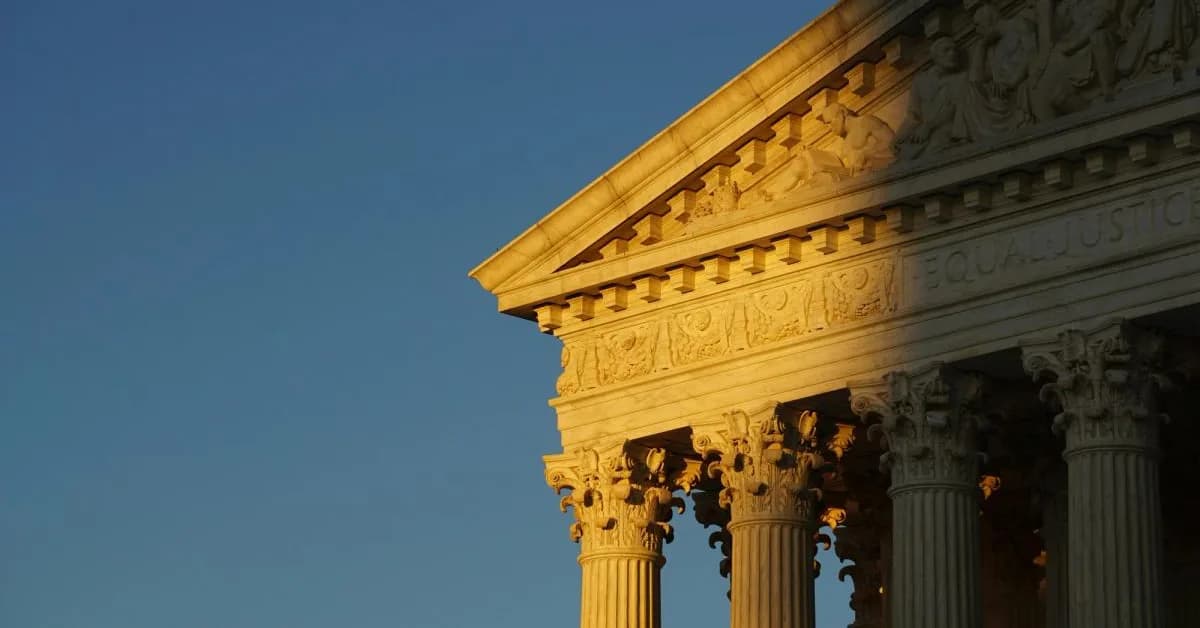
In 2011, the Supreme Court heard a case that would have profound implications for how we think about privacy and government data collection: Nelson v. NASA. This case centered on whether contract employees at NASA had a constitutional right to informational privacy – the liberty to control information about themselves.
The Background
Robert Nelson was one of several contract employees working at NASA's Jet Propulsion Laboratory (JPL). In 2006, he and his colleagues filed a lawsuit challenging the government’s requirement that they fill out an SF-85 questionnaire. This form asked detailed personal questions, including about illegal drug use and treatment.
Nelson argued that this collection of sensitive information violated their right to informational privacy under the Fifth Amendment's Due Process Clause. The case eventually made its way to the Supreme Court.
Oral Arguments
During oral arguments, Justice Scalia was particularly skeptical:
- Scalia: "Do you think there is something wrong with the government having to explain why it seeks information? I mean, I would think that would be fairly simple in virtually every situation."
Justice Sotomayor, initially supportive of Nelson's argument, eventually joined
Read the full article at SCOTUSblog
Want to create content about this topic? Use Nemati AI tools to generate articles, social posts, and more.