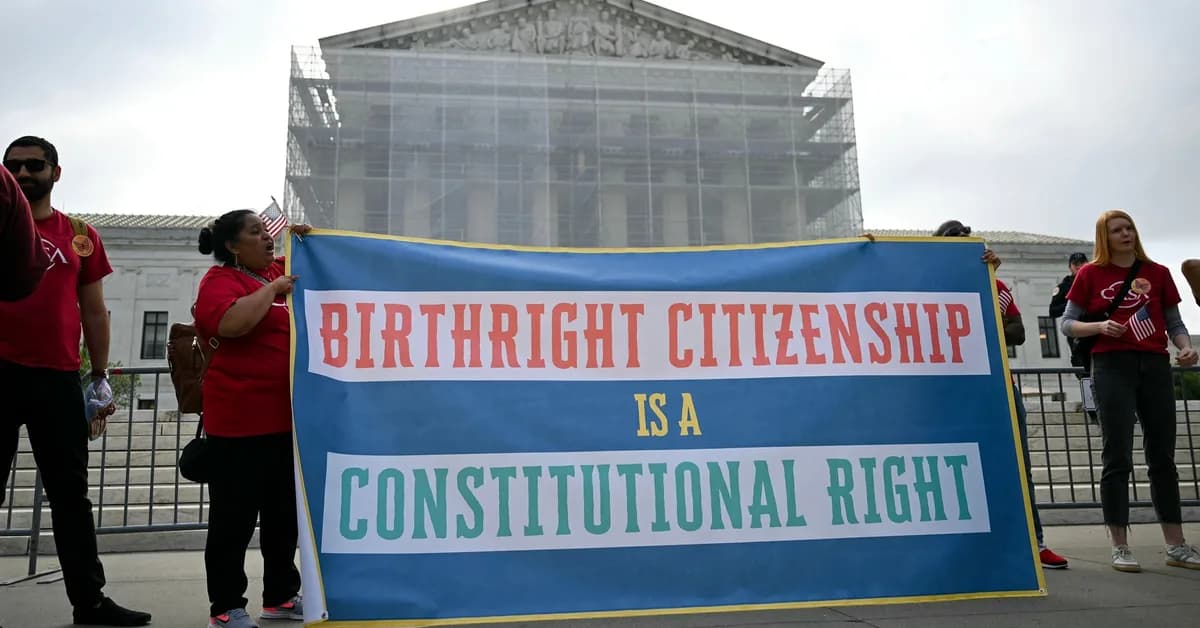
The article discusses how historical Supreme Court decisions and deference to political branches have led to significant confusion and discrimination regarding the application of birthright citizenship in U.S. territories, particularly American Samoa. Here are some key points:
-
Historical Context: The Supreme Court's precedents from the Insular Cases (decided over 125 years ago) and subsequent cases like Rogers v. Bellei have allowed Congress to deny birthright citizenship to individuals born in U.S. territories, including American Samoa.
-
Current Issues:
- Individuals born in American Samoa are labeled as "non-citizen" U.S. nationals rather than citizens.
- This status denies them full rights of citizenship and subjects them to discriminatory treatment under federal, state, or local laws.
- The Obama, Trump, and Biden administrations have all defended the power of Congress to deny citizenship in territories.
-
Legal Challenges:
- Individuals born in American Samoa challenged these discriminatory laws as incompatible with the Citizenship Clause of the 14th Amendment.
- In 2022, when a case challenging this reached the Supreme Court, it was denied review.
-
**Broader Implications
Read the full article at SCOTUSblog
Want to create content about this topic? Use Nemati AI tools to generate articles, social posts, and more.
Views13
Tags

Ali NematiBlogUI.author_articles