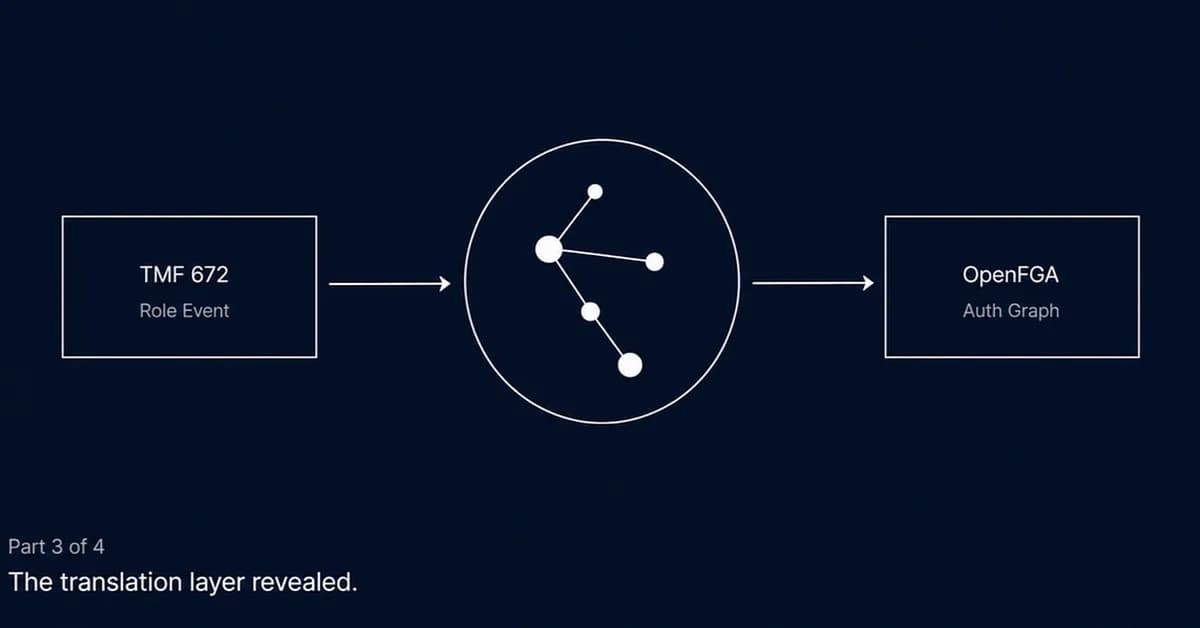
A new hybrid authorization architecture utilizes deterministic rules for routine role transitions while employing AI reasoning layers for complex, novel permission scenarios. While standard rules engines handle approximately 80 percent of tasks efficiently, they often fail when faced with conditional or market-specific constraints. Developers can now use this dual-path approach to ensure high-stakes transitions are handled with contextual understanding rather than requiring manual intervention. This development marks a shift toward AI-native security boundaries that balance latency costs with robust reasoning capabilities.
Read the full article at System Weakness - Medium
Want to create content about this topic? Use Nemati AI tools to generate articles, social posts, and more.