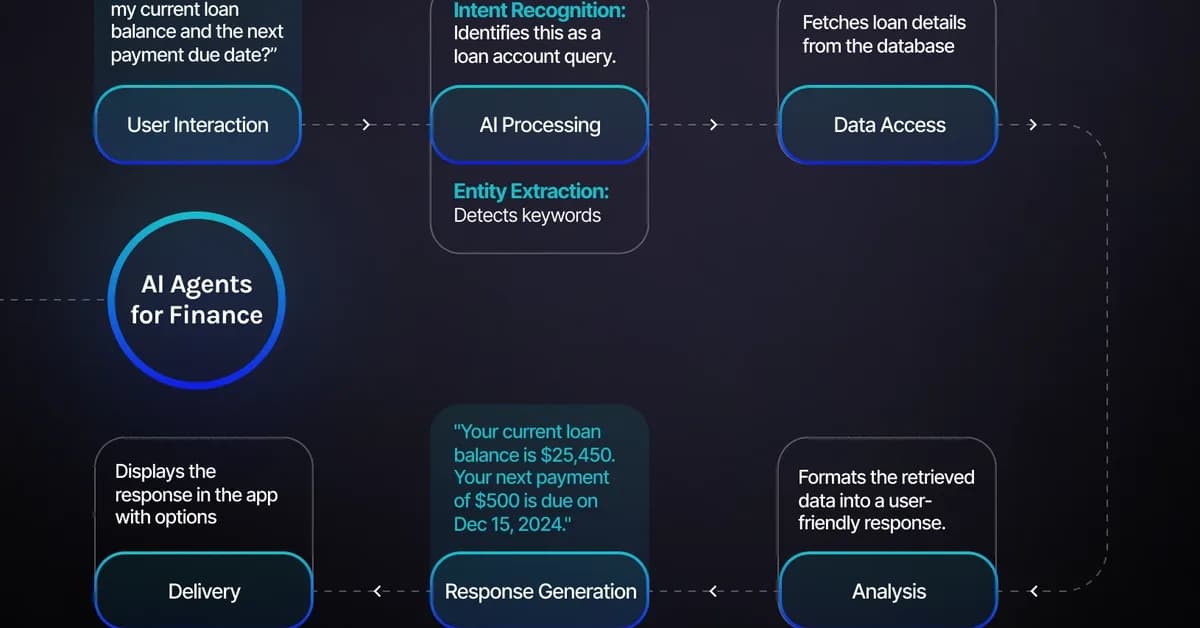
Implementing prompt caching can significantly reduce costs by avoiding redundant computations for identical or similar prompts. Here’s a detailed approach to implementing prompt caching:
1. Understanding Prompt Caching
Prompt caching involves storing the results of expensive model calls (e.g., GPT-3, Claude) and reusing them when the same input is encountered again. This can drastically reduce costs by eliminating duplicate requests.
2. Choosing a Cache Implementation
You need to choose an appropriate cache implementation that fits your use case:
- In-Memory Caching: Fast but limited in size (e.g., Redis, Memcached).
- Distributed Caching: Scales better for larger applications (e.g., Redis Cluster, AWS ElastiCache).
3. Designing the Cache Key
The cache key should uniquely identify a prompt and its context:
python1def generate_cache_key(prompt: str, context: dict) -> str: 2 # Combine prompt and relevant context into a unique string 3 return f"{prompt}:{json.dumps(context)}"
4. Implementing the Cache Wrapper
Create a wrapper around your model calls to handle caching logic:
python1import json 2from typing import Dict 3 4[Read the full article at DEV Community](https://dev.to/shakti_mishra_308e9f36b5d/your-ai-agent-works-thats-why-finance-is-about-to-kill-it-19p5) 5 6--- 7 8**Want to create content about this topic?** [Use Nemati AI tools](https://nemati.ai) to generate articles, social posts, and more.
4
Tags
Contents

Ali NematiWritten by Ali
![[AINews] The Unreasonable Effectiveness of Closing the Loop](/_next/image?url=https%3A%2F%2Fmedia.nemati.ai%2Fmedia%2Fblog%2Fimages%2Farticles%2F600e22851bc7453b.webp&w=3840&q=75)