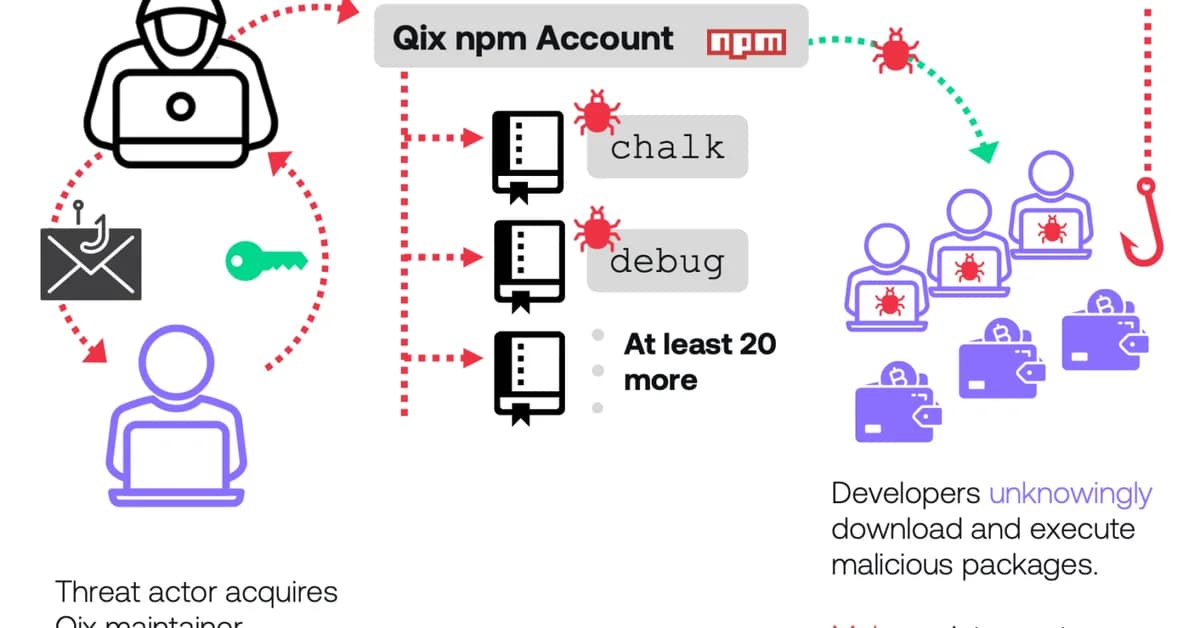
A new self-replicating worm dubbed Phantom Gyp is targeting the npm registry by weaponizing the binding.gyp configuration file to execute malicious code during package installation. Software engineers must urgently audit their CI/CD pipelines as the malware specifically harvests cloud credentials and injects backdoors into AI coding assistants like Cursor and Claude Code. This attack demonstrates a dangerous pivot toward evading lifecycle-script scanners by exploiting native build processes to compromise the broader development environment.
Read the full article at Cyber Security News
Want to create content about this topic? Use Nemati AI tools to generate articles, social posts, and more.
Views282

Ali NematiBlogUI.author_articles