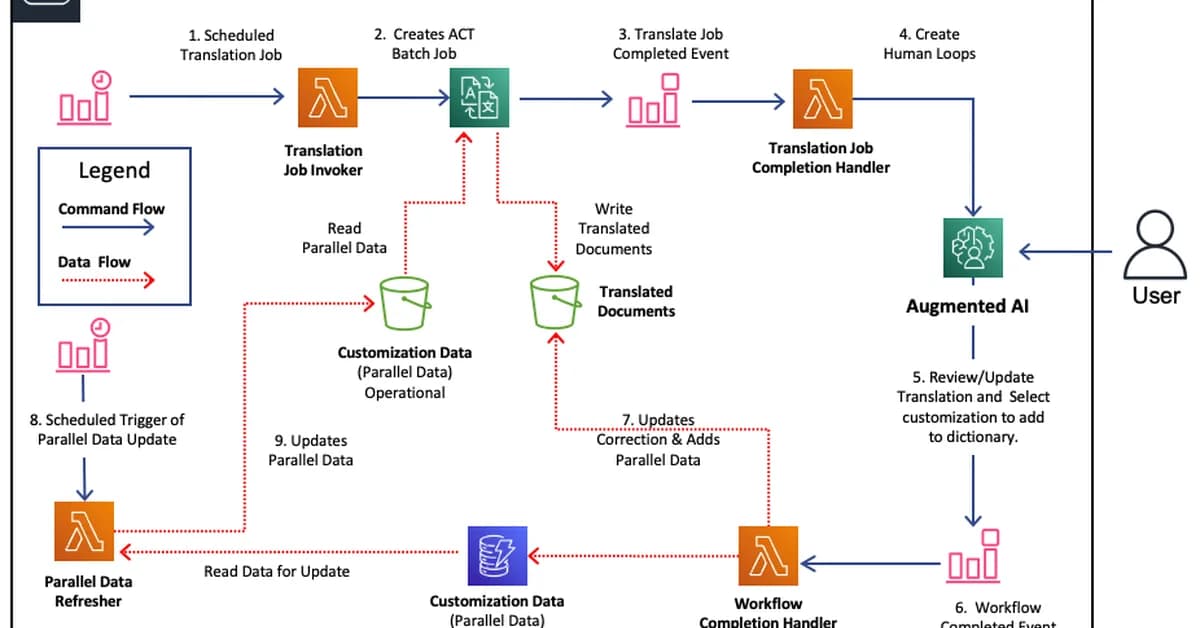
This comprehensive guide provides an excellent framework for designing multi-stage review workflows in software development, particularly focusing on the context of professional translation services. Here are some key takeaways and additional insights:
Key Takeaways
-
Workflow Design Principles:
- Stages: Define clear stages such as "Translation," "Editing," "Proofreading," and "Approval."
- Roles: Assign specific roles to each stage, ensuring accountability.
- Transitions: Implement rules for transitioning between stages based on predefined criteria.
-
Database Schema:
- Use a normalized schema with tables for
translation_jobs,translation_stages, andusers. - Track metadata like timestamps, user IDs, and quality scores to ensure traceability.
- Use a normalized schema with tables for
-
API Design:
- Create RESTful APIs for creating jobs, updating stages, and retrieving job status.
- Implement endpoints that handle transitions between stages securely and efficiently.
-
Error Handling and Rollbacks:
- Provide mechanisms for requesting revisions and rolling back to previous stages if necessary.
- Ensure data integrity by archiving current stage content before resetting the workflow.
-
Monitoring and Metrics:
- Track average time per stage,
Read the full article at DEV Community
Want to create content about this topic? Use Nemati AI tools to generate articles, social posts, and more.
Views192
On this page

Ali NematiBlogUI.author_articles