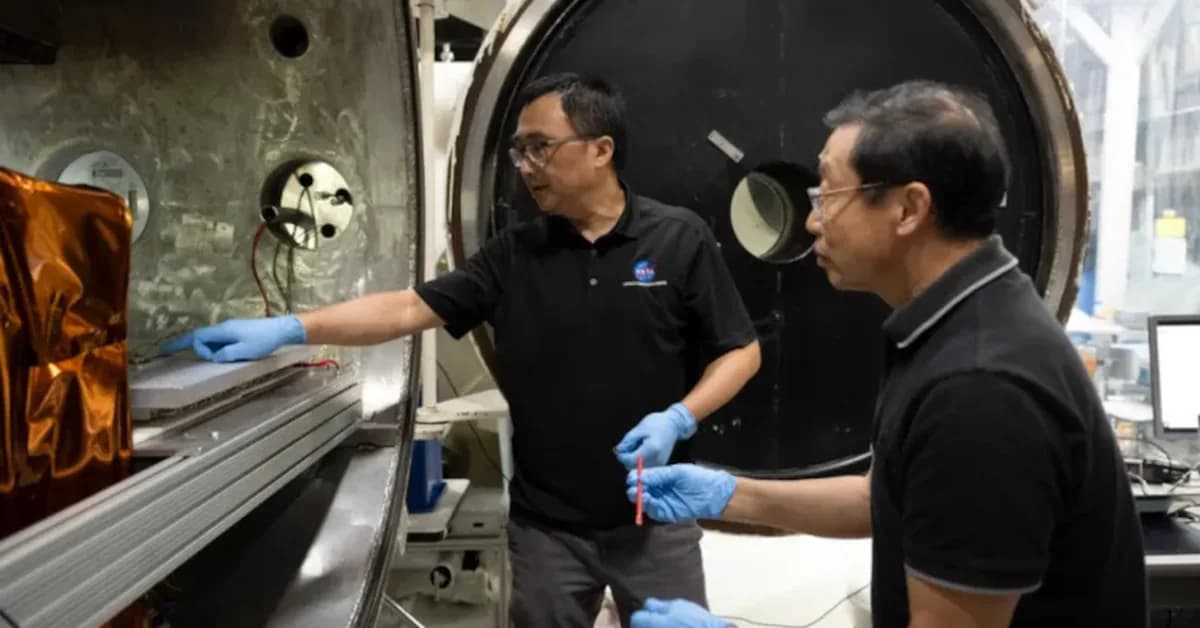
NASA has developed batteries utilizing solid ceramic or polymer electrolytes that can withstand extreme temperature fluctuations, operating effectively between -60°C and 80°C, and surviving exposure to -170°C without damage. This advancement is significant for cybersecurity because it addresses a critical vulnerability in mass-produced batteries – electrolyte failure in extreme conditions – potentially enabling more reliable power solutions for sensitive infrastructure and devices in harsh environments. Future deployments to the lunar south pole, or other extreme terrestrial locations, could reveal broader applications for this technology.
Read the full article at Hackaday
Want to create content about this topic? Use Nemati AI tools to generate articles, social posts, and more.