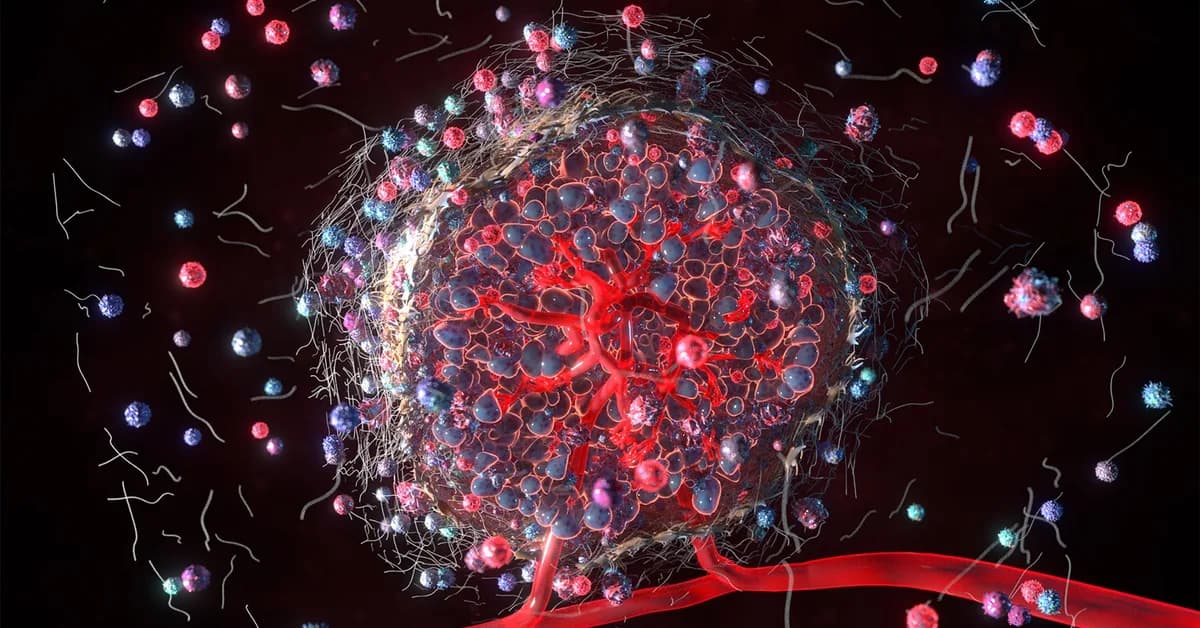
Researchers at the University of Chicago have developed a framework to compare spatial transcriptomics data across different tumor types, identifying recurring multicellular regions called "spatial groups" that correlate with immune biology and treatment response. This development is crucial for cancer researchers as it provides a standardized method to analyze and compare complex tumor microenvironments, potentially aiding in precision oncology by predicting patient responses to therapies based on spatial gene expression patterns.
Read the full article at Genetic Engineering News
Want to create content about this topic? Use Nemati AI tools to generate articles, social posts, and more.
Views5

Ali NematiBlogUI.author_articles