The environmental impact of AI, particularly through the operations of data centers that power it, is significant and multifaceted. Shaolei Ren's research highlights two critical issues: air pollution and water scarcity.
Air Pollution
Ren and his colleagues at UC Riverside and Caltech have estimated that training a model as large as Meta’s Llama 3.1 can lead to air pollution equivalent to 10,000 round trips by car between Los Angeles and New York City. This level of pollution is not just an abstract figure; it translates into substantial public health costs, potentially reaching over $20 billion by 2028 and leading to approximately 1,300 premature deaths annually from air pollution by 2030.
Water Usage
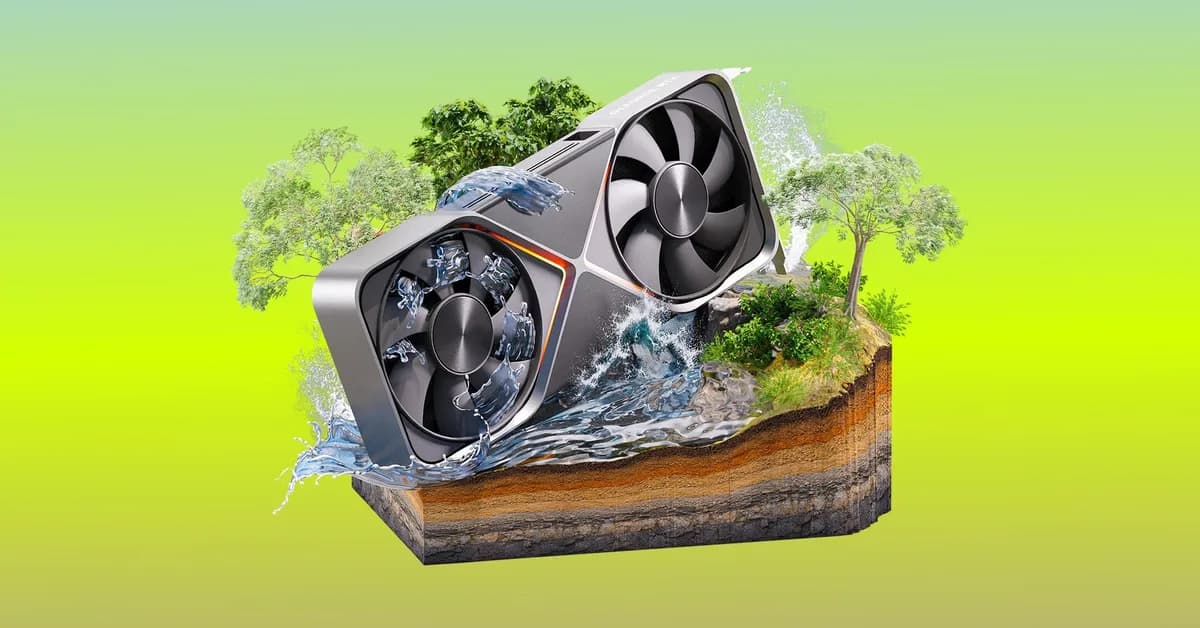
Data centers are also incredibly thirsty. They require vast amounts of water for both electricity generation and cooling systems. Alex de Vries-Gao estimates that AI could have used between 312.5 billion and 764.6 billion liters of water in 2025, which is comparable to the global annual consumption of bottled water.
Energy Consumption
The energy use of GPU-accelerated AI servers has grown exponentially. In the US
Read the full article at The Verge
Want to create content about this topic? Use Nemati AI tools to generate articles, social posts, and more.